 by
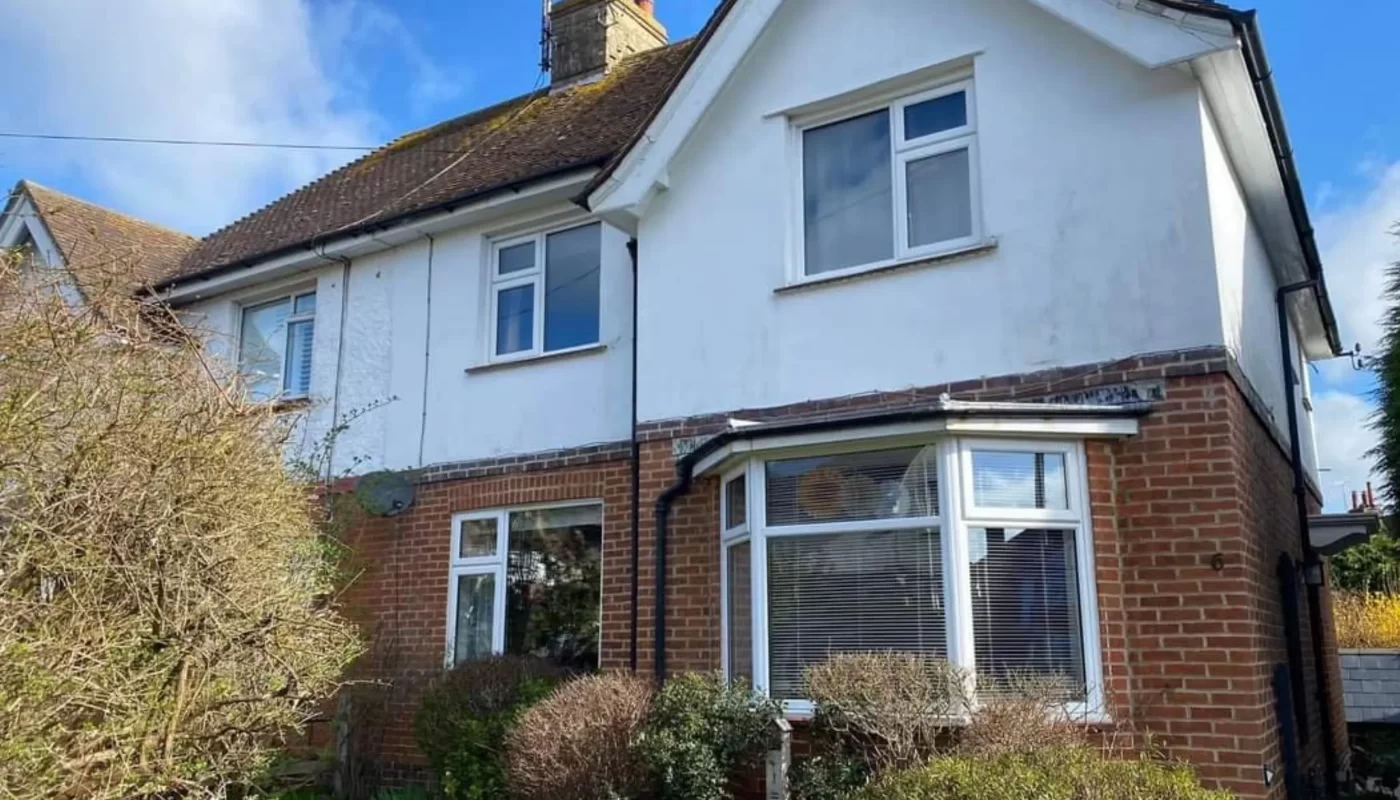
by Rendered walls provide a durable and beautiful finish to homes and commercial buildings but over time they accumulate dirt, algae, mould and other stains. Regular cleaning is necessary to maintain their appearance and longevity. The choice of cleaning product depends on the type of render, the severity of the stains and environmental factors. If you are looking for render cleaning Melbourne services, professional help can get the job done without damaging the surface.
What are Rendered Walls and Their Cleaning Needs
Rendered walls are made of cement, lime, acrylic or polymer-based materials, each requires specific cleaning solutions. Location, weather exposure and pollution level affect how often and what type of cleaning is needed.
Common Cleaning Products for Rendered Walls
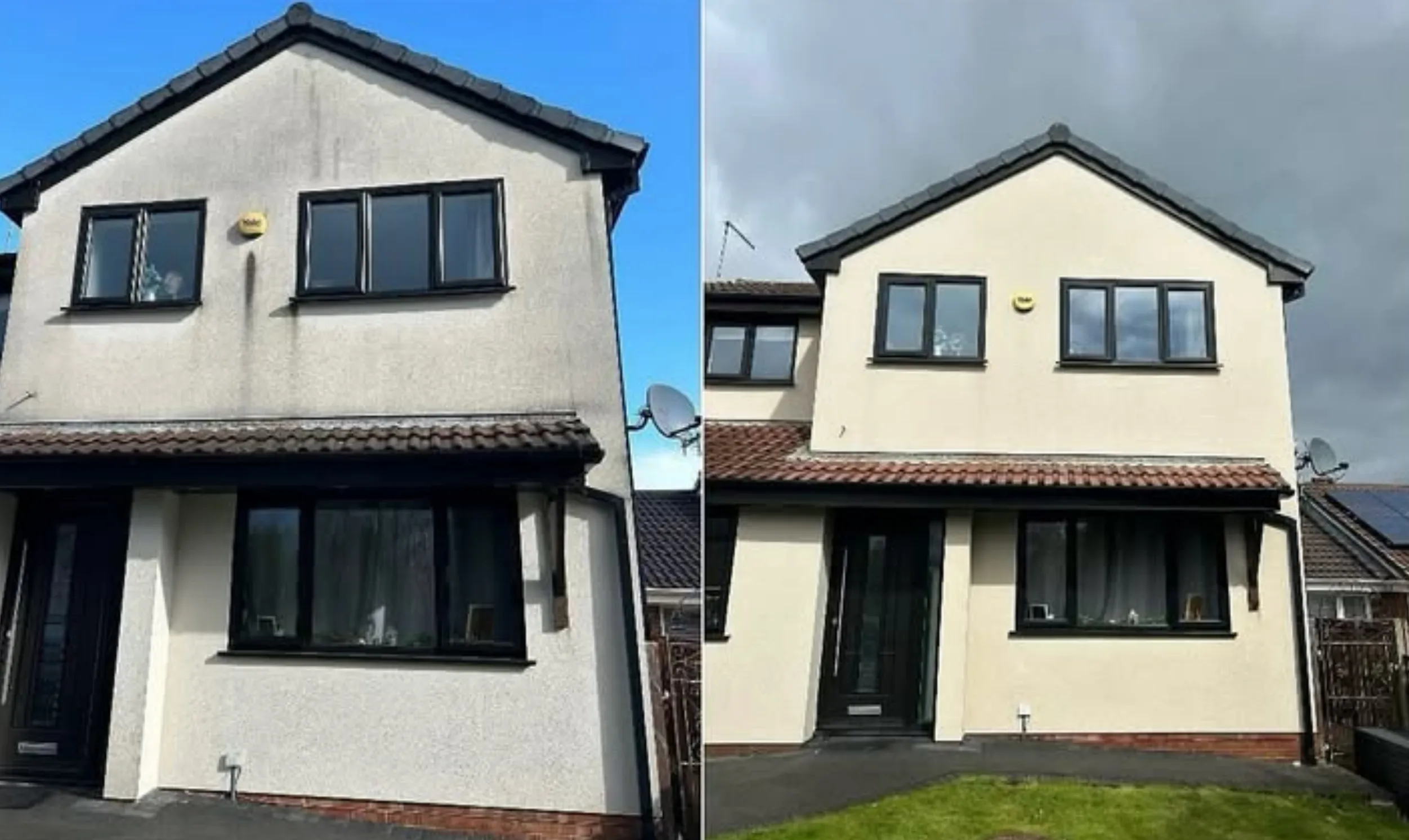
1. Sodium Hypochlorite (Bleach-Based Cleaners)
- Ideal for removing algae, mould, mildew and green algae staining
- Brightens white and light coloured renders
- Diluted solutions prevent surface damage
- Requires rinsing to avoid residue build up
- Strong bleach solution required for tough stains and stubborn stains
2. Hydrochloric Acid (Muriatic Acid) – For Heavy Stains
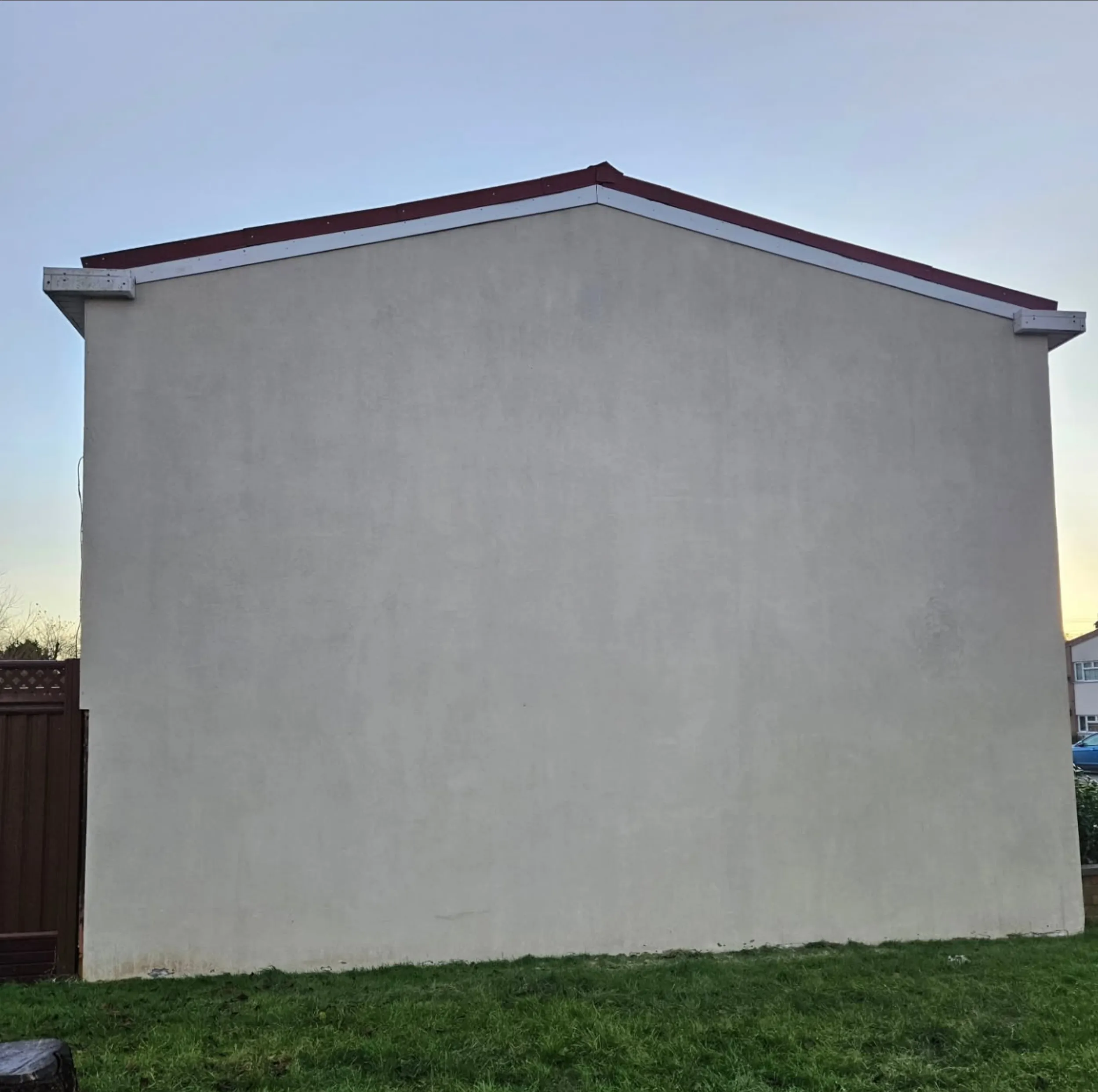
- Used to remove stubborn mineral stains, black staining and efflorescence
- Must be highly diluted and applied with caution
- Suitable for cement-based renders but not for acrylic or polymer renders
- Use with care to avoid damage to porous surfaces
3. Acetic Acid (Vinegar Solutions)
- Natural and eco-friendly option for mild cleaning
- Effective against light mould, organic growth and mildew growth
- Safe for most render types, including coloured render
4. Biodegradable Algae and Mould Removers
- Designed for long term mould prevention
- Non-toxic and safe for surrounding plants and materials, including aquatic life and plant life
- Prevents regrowth of moss, algae growth and black moulds
5. Pressure Washing with Mild Detergents
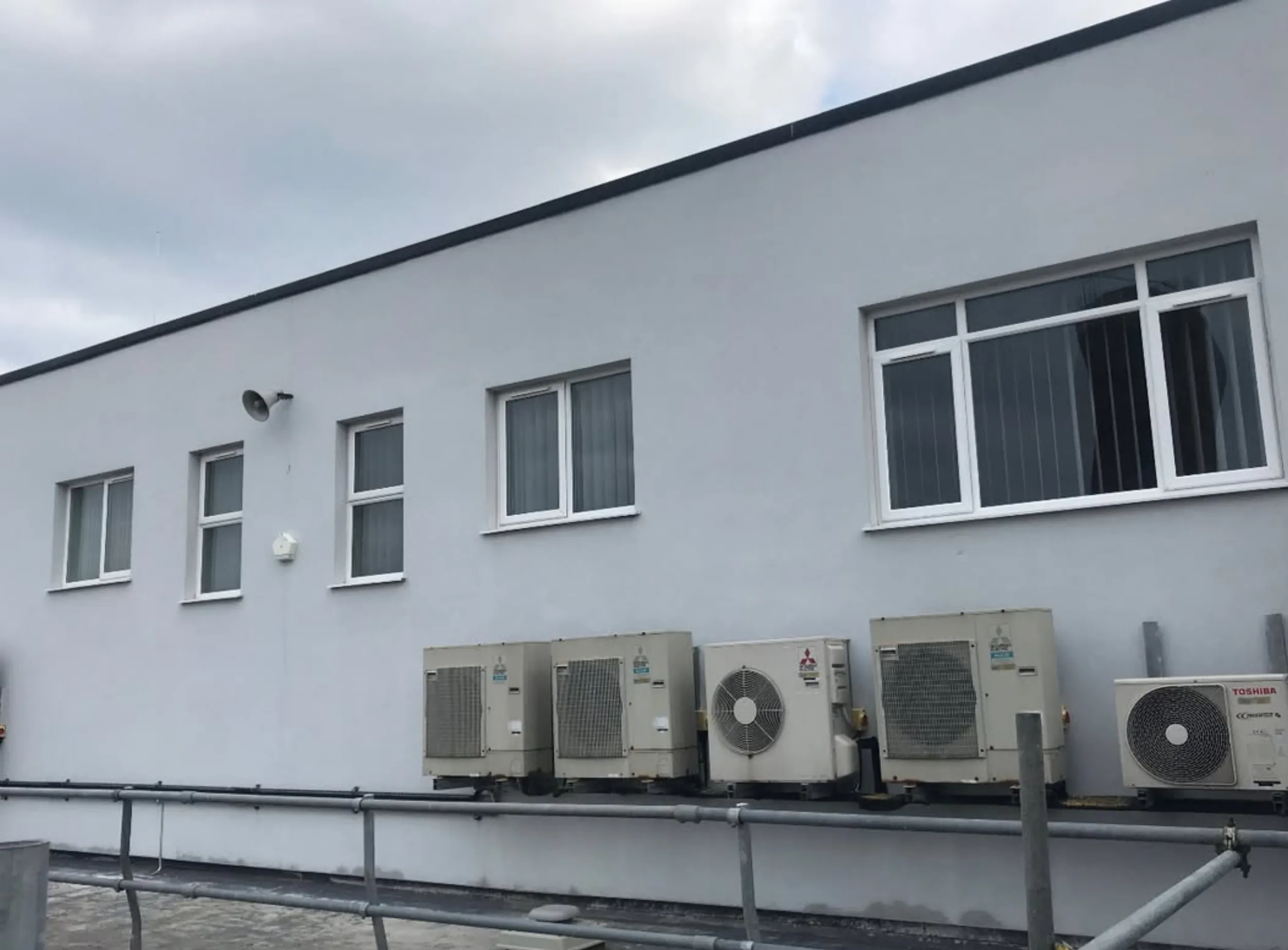
- A combination of warm water, mild detergent and a pressure washer can remove general grime
- Ideal for painted and acrylic renders
- Overuse of high pressure can damage the render and render surfaces
- Soft washing technique is recommended for delicate surfaces
- A professional pressure washing service can get the job done without causing damage
6. Steam Cleaning
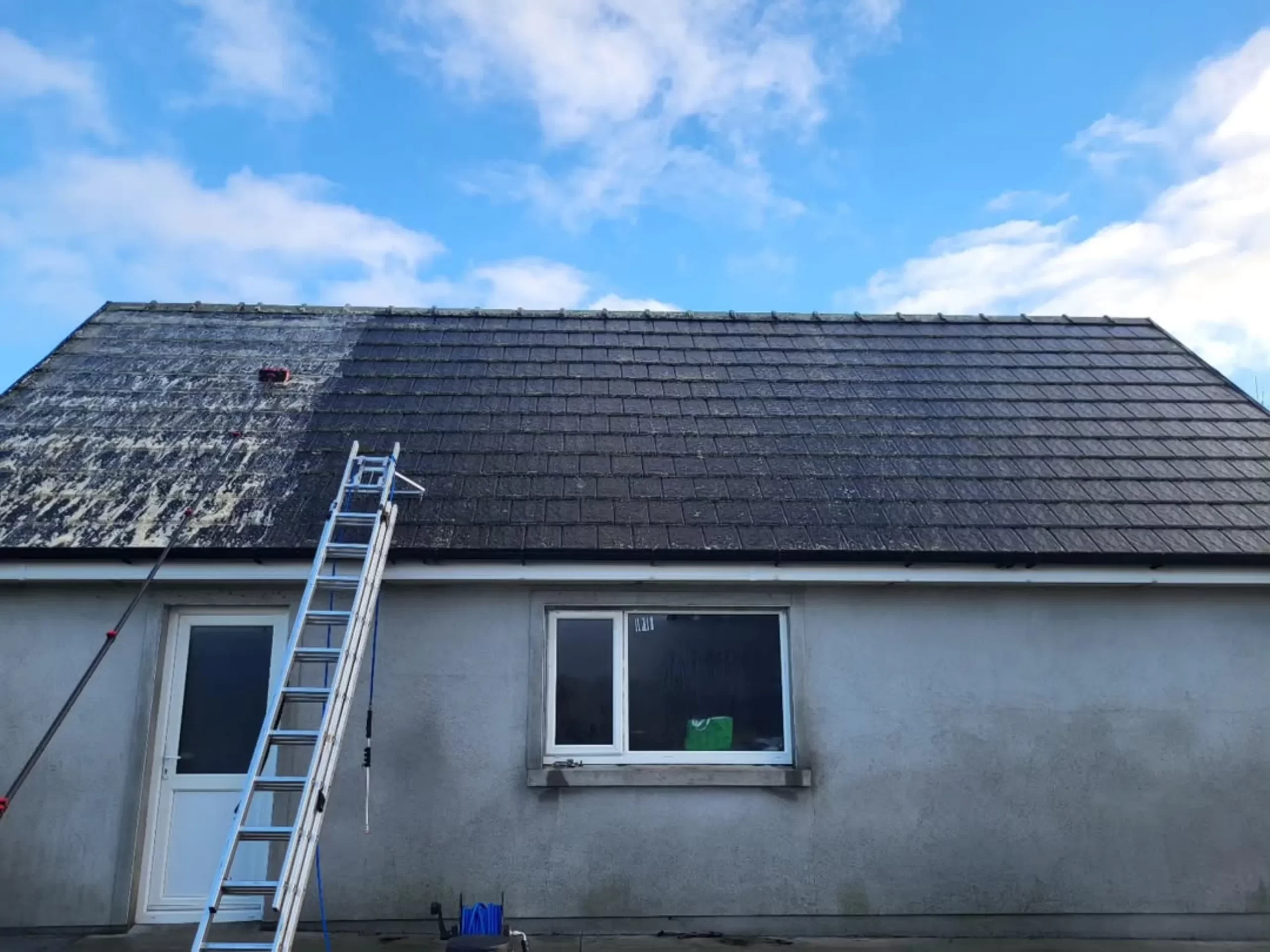
- Hot water to remove dirt, biological growth and atmospheric pollution from exterior surfaces
- Suitable for render walls, building structure and entire wall surfaces
- Requires special equipment for professional cleaning
- Get a pressure cleaning service done to get the best results
Best Practices for Cleaning Rendered Walls
- Do a Patch Test: Before using any chemical test a small area to see if there are no reactions.
- Use the Right Dilution: Harsh chemicals like industrial bleach can damage render if used full strength.
- Avoid Harsh Scrubbing: Soft bristle brushes are best for preventing surface damage.
- Rinse Thoroughly: Residual chemicals can attract dirt and degrade the wall over time.
- Apply a Sealant: Some renders need sealers to prevent future staining.
- Use a Biocide-Based Chemical: Helps prevent mould spores and black lichens from coming back.
- Regular Maintenance Cleaning: Regular cleaning keeps the render longevity and stops green algae growth.
- Consider Professional Render Cleaning: Hiring experts for render cleaning can make the process safer and more effective especially for large or hard to reach areas.
Environmental Considerations
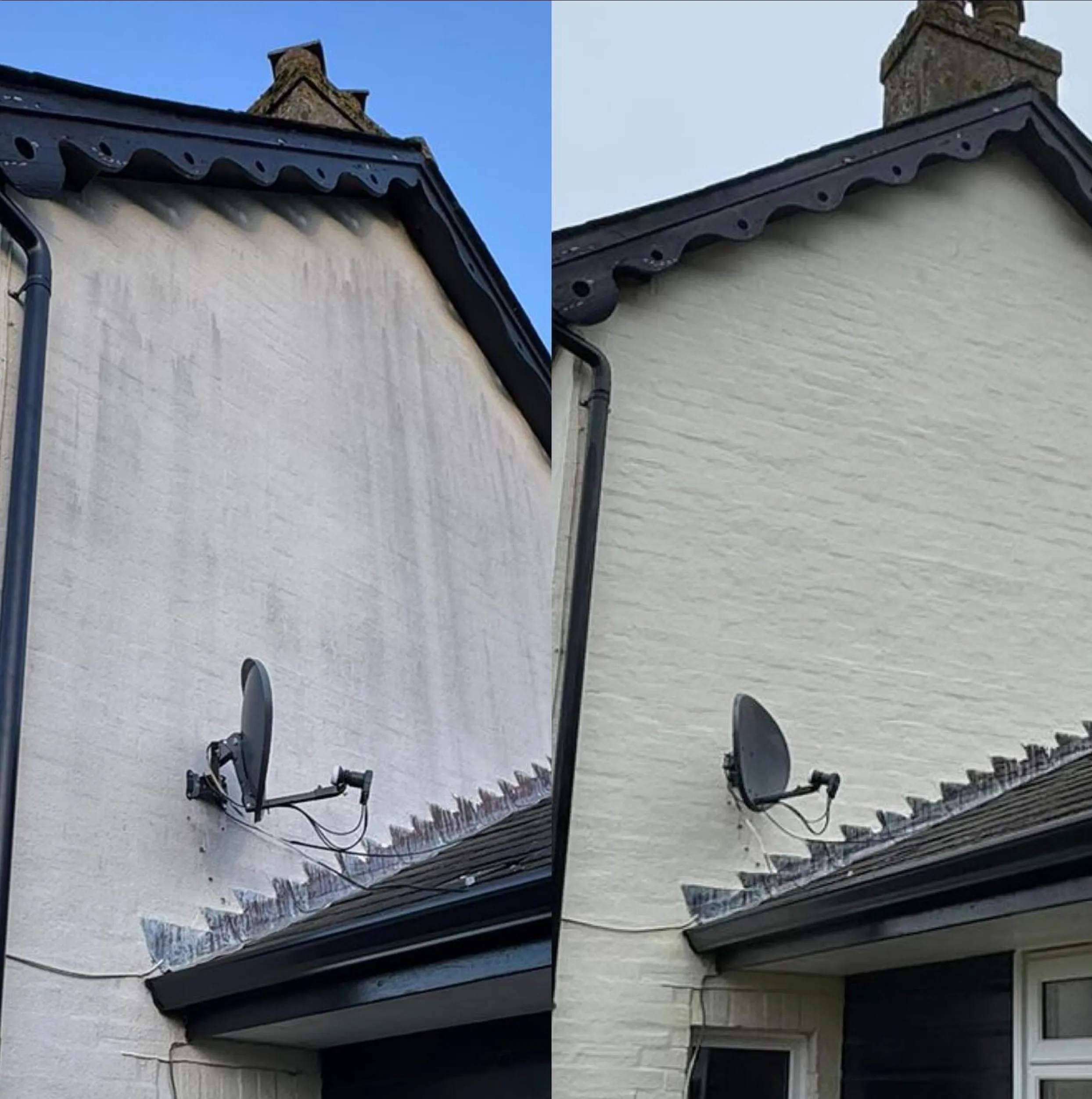
When using chemical cleaners consider the environmental impact. Eco-friendly and biodegradable options harm plants, water and wildlife less. Proper disposal of cleaning water prevents contamination of storm water systems. Using an aqueous cleaning solution minimizes environmental impact.
Conclusion
Cleaning rendered walls requires the right chemical for the type of dirt and render. Sodium hypochlorite and biodegradable mould removers for organic stains, hydrochloric acid for mineral buildup. Always follow safe cleaning practices to protect the surface and the environment. Regular maintenance and cleaning methods like soft washing, pressure washing and steam cleaning keeps your rendered surfaces looking fresh for years to come. If you need help a professional pressure cleaning company can assist you with your needs.
FAQ
Can I use bleach to clean rendered walls?
Yes but must be diluted to prevent surface damage and rinsed thoroughly after. Household bleach and mild bleach solutions can be good cleaning agents.
Is pressure washing safe for rendered walls?
Yes but too much pressure can damage softer renders so use a mild detergent with moderate pressure. A light jet wash is recommended.
How do I prevent algae from coming back after cleaning?
Use a biocide-based chemical like Render Cleaner Softwash and apply a sealer can help prevent regrowth.
Can I use vinegar to clean all types of render?
Yes but it’s best for light stains and general maintenance not heavy duty cleaning. Not suitable for delicate surfaces like silicone render.
How often should rendered walls be cleaned?
Depends on exposure but general recommendation is every 6-12 months for best appearance. Regular maintenance cleaning prevents buildup and extends life of the render.