 by
by “Is Uluru a Meteorite?” I’ve been asked that more times than I can count, usually by a wide-eyed traveller who’s just seen the massive sandstone monolith rise up from the desert floor. And fair enough — it looks so out of place, so otherworldly, you could imagine it crash-landing from a Cosmic Collision. But the truth is more fascinating, more grounded, and more connected to Country than any Meteorite Strike story.
I’m Paul Beames, a bloke who’s spent decades helping travellers make sense of the outback. Today, I’ll walk you through the science, the stories and the practical travel notes that’ll answer the meteorite question once and for all — and give you the tools to explore Uluru properly.
The Big Myth: Why People Think Uluru Fell from the Sky
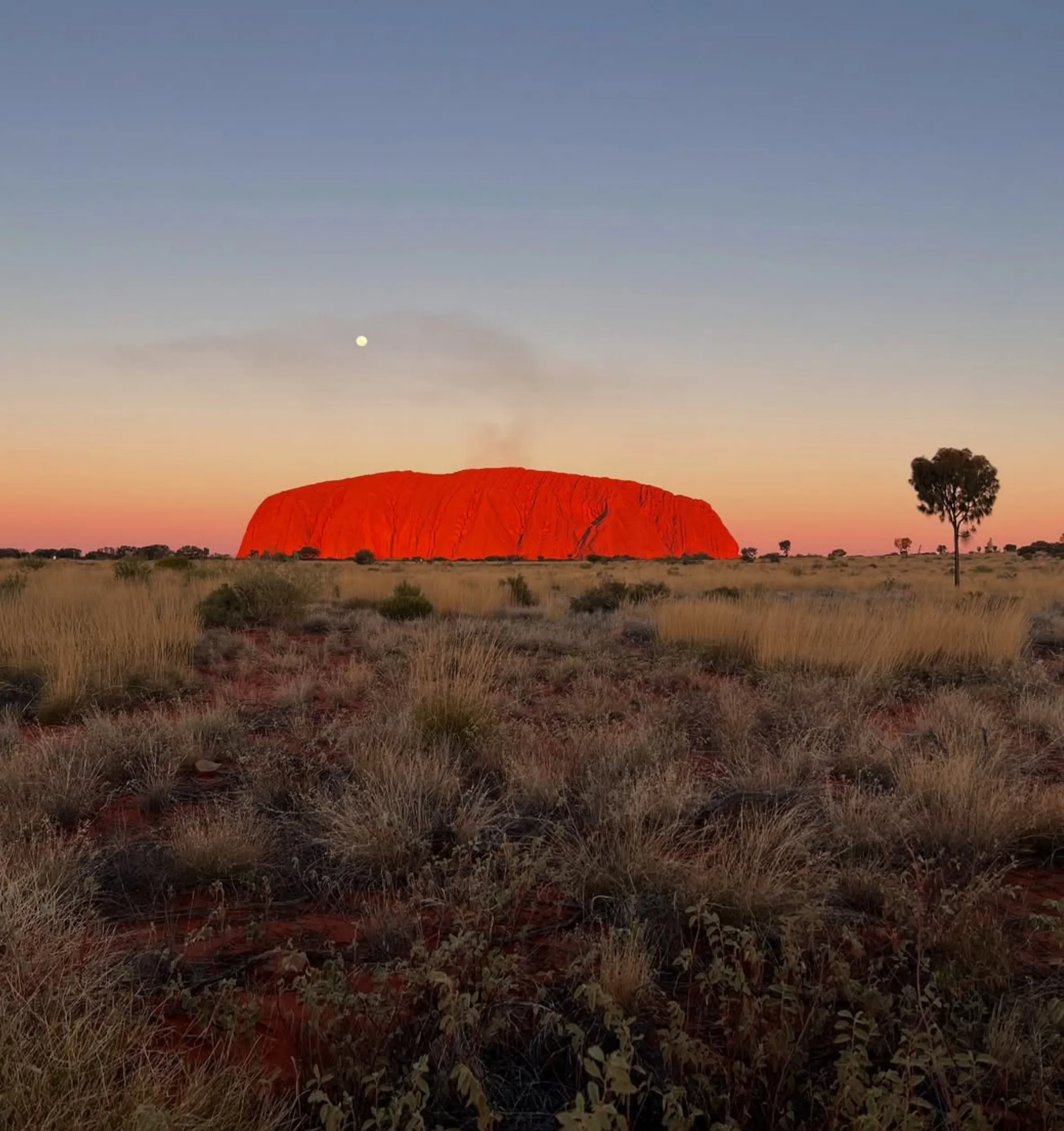
The sight of Uluru, 348 metres tall and 9.4 kilometres around, does strange things to your sense of scale. It’s flat as a pancake around the Red Centre, and then bang — there’s this giant hunk of rock. No wonder people imagine it must’ve been part of a Meteorite Strike.
Add the rusty red colour, the crater-like curves and caves, and you’ve got a rock that looks like it’s been scorched by re-entry. Truth is, Uluru formed slowly over hundreds of millions of years — not in a fiery crash from Cosmic Collision.
The Science Behind Uluru’s Birth
Uluru is no space invader. It’s a sandstone inselberg — a lonely island mountain left behind after softer surrounding rock formations eroded away. Scientists say it began forming around 550 million years ago when eroded sediments from nearby mountain ranges compacted into Conglomerate Rock and arkose sandstone under ancient seas.
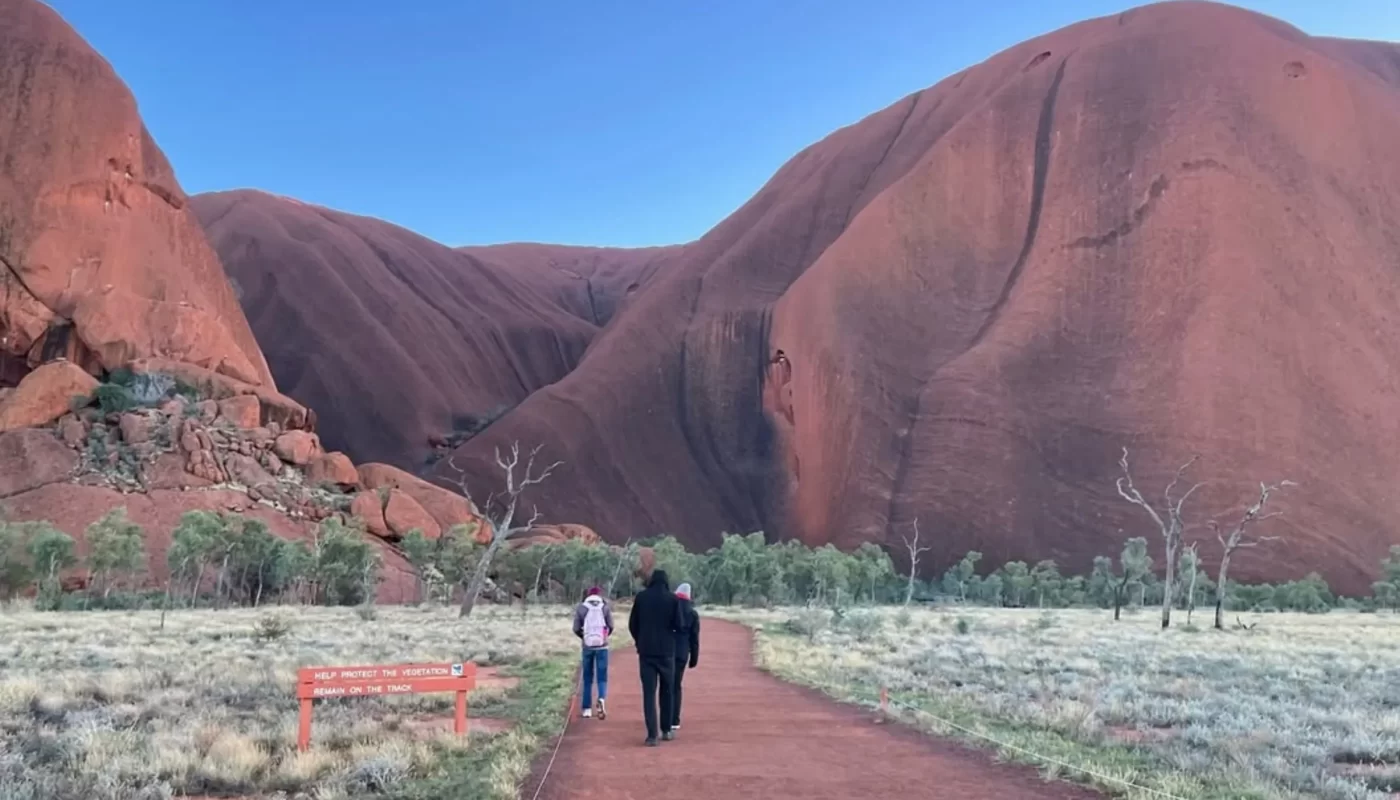
Later, the Tectonic Plates shifted, tilting the sandstone vertically. That gave us the distinctive bedding you can see today on a Self-Guided Walking Track around the base. Those vertical lines running down Uluru’s face? They’re evidence of tectonic pressure, not scars from a Cosmic Collision.
Quick Facts:
- Height above ground: 348 m (taller than the Eiffel Tower)
- Depth below ground: up to 6 km of rock continues underground
- Age: 550 million years
- Rock type: arkose sandstone, rich in feldspar, mixed with Conglomerate Rock
Cultural Truths Over Cosmic Myths
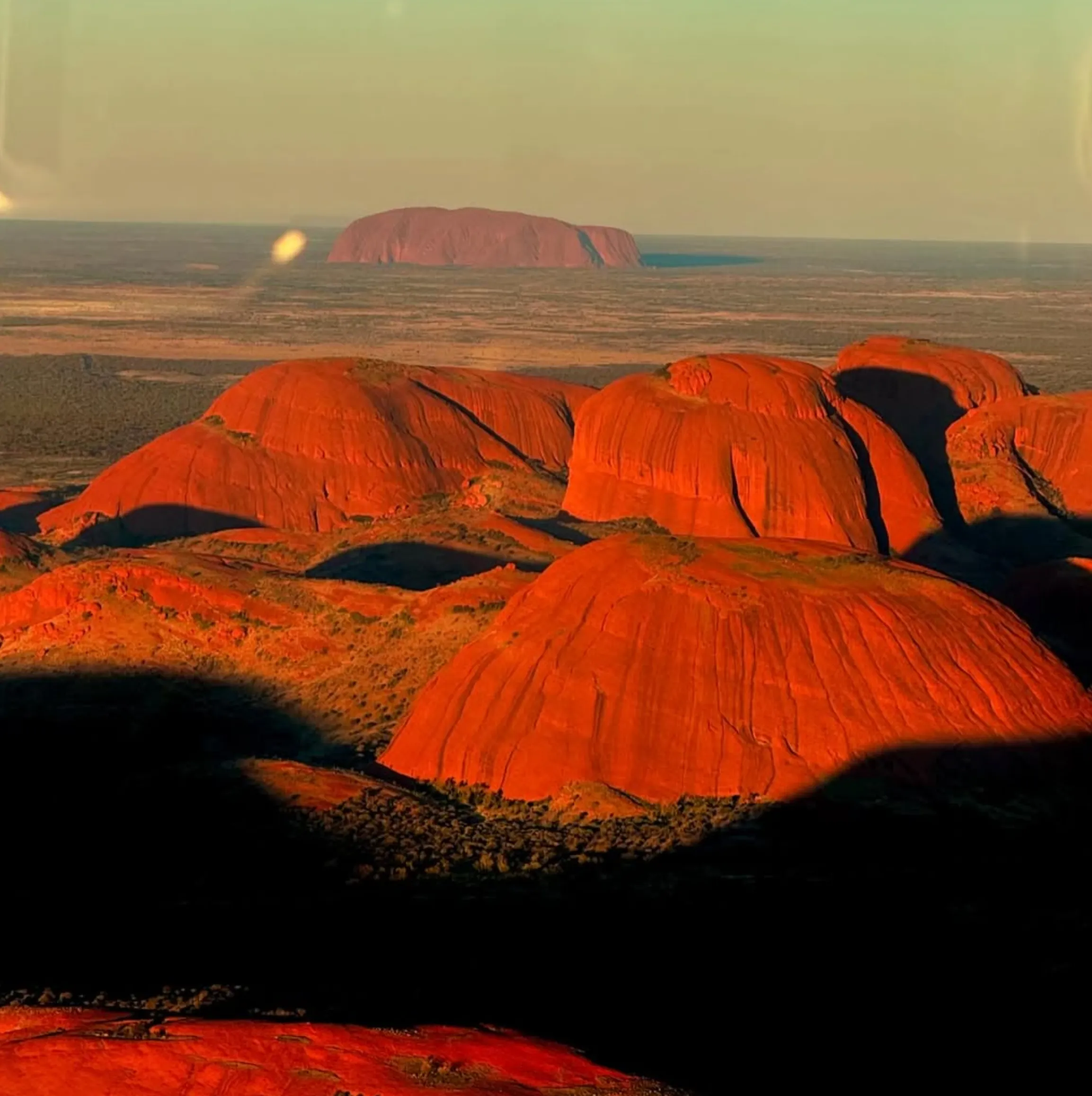
Before geologists tried to name Uluru, the Anangu people, Traditional Owners of the land, had the stories of its creation in Tjukurpa (Dreaming Law). These stories explain the features of the rock — the caves, the Water-Smoothed Rock hollows, the gullies — as marks of ancestral beings.
It’s important to remember Uluru isn’t just a tourist attraction or a geological puzzle. It’s a sacred site, a living cultural landscape. Next time someone asks “Is Uluru a Meteorite?”, tell them it’s something much deeper — a place of story, law and spirit.
Uluru vs Actual Meteorite Craters
Here’s where the confusion comes in. Central Australia has some of the best-preserved Impact Craters in the world. Wolfe Creek Crater in WA, Henbury Craters near Alice Springs, and Gosse’s Bluff are all real Impact Sites from Meteorite Strikes. Uluru just happens to share the desert.
| Feature | Uluru (Sandstone Monolith) | Wolfe Creek Crater (WA) | Henbury Craters (NT) | Gosse’s Bluff (NT) |
|---|---|---|---|---|
| Origin | Sedimentary rock uplift | Meteorite Impact Site | Meteorite Strike | Cosmic Collision |
| Age | ~550 million years | ~300,000 years | ~4,700 years | ~142 million years |
| Visible form | Inselberg, 348 m high | 880 m wide Crater Basin | 12 small craters | 5 km wide ring |
| Cultural connection | Sacred to Anangu | Dreaming site for Djaru | Anangu stories too | Sacred to Western Arrernte |
Why This Myth Survives: Tourism, Telly, and Tall Tales
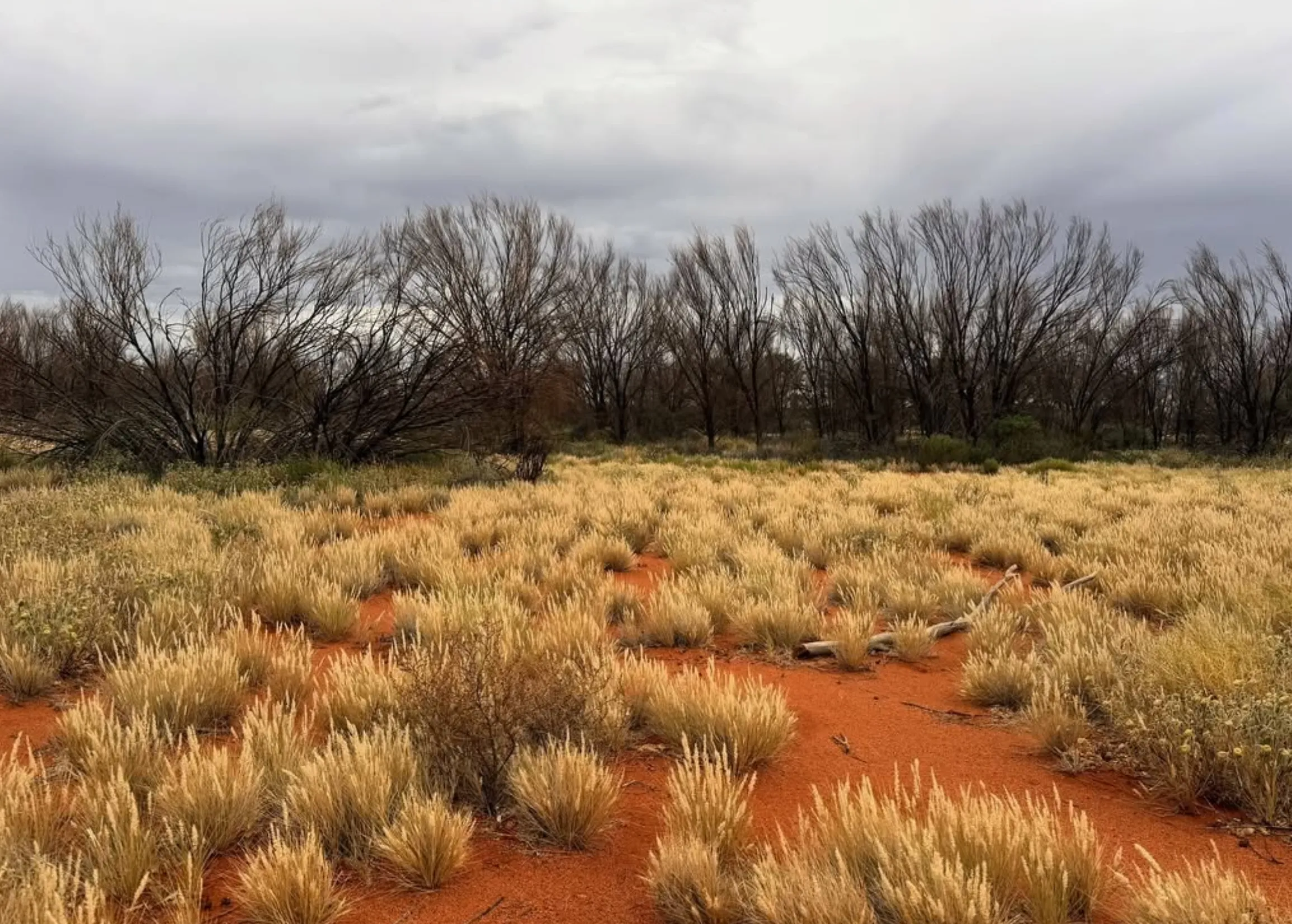
I reckon the meteorite idea sticks around because it’s a good yarn. Humans love a dramatic story, and “space rock crashes to Earth” beats “slow erosion” for pub-talk punch. Add in documentaries that pair Uluru with Impact Craters, and the myth gets legs.
Still, accuracy matters. Misinformation spreads faster than a road train on the Stuart Highway, and as travellers we owe it to Traditional Owners — and ourselves — to get the story right.
Planning Your Uluru Visit with the Right Knowledge
Knowing Uluru isn’t a meteorite won’t stop the goosebumps when you first see it glowing red at sunrise. But it does shape how you engage with the place. Instead of hunting for an Impact Site, you’ll be looking for:
- The vertical layers of arkose and Conglomerate Rock on the Mala Walk
- Rock art in caves, painted near Water-Smoothed Rock surfaces
- Mutitjulu Waterhole, an oasis that survives the desert’s Deep Freeze nights
- Seasonal wildflowers across the Glacial Deposits of old sand plains
Best Ways to Experience Uluru Without Falling into Clichés
Forget the idea of “ticking off” Uluru. Take your time, soak in the light changes and listen to Anangu voices. Practical ways to do it:
- Base Walk: 10.6 km flat loop, fully accessible from the Car Park — start at dawn before the heat builds.
- Cultural Centre: Learn from Anangu guides about Tjukurpa, art and Country. Public Toilets and shaded rest areas are here.
- Field of Light: Bruce Munro’s solar installation — 50,000 stems glowing under the desert sky.
- Uluru Resort Stay: Stay at Yulara’s Uluru Resort hub for cafés, fuel and self-service facilities.
If you’d rather let someone else do the planning, an Uluru Tour is the way to go. Companies like Wayoutback Tours run small-group trips that weave in cultural learning and the natural science behind the rock. Choose one of the Best Uluru Tours options and you won’t just snap photos — you’ll leave with understanding.## From Alice Springs to the Rock: Travel Logistics. If you’re coming from the north, Alice Springs Uluru Tour are a good option; you get to see some of the desert landscape before you get to the Rock.
An Uluru tours from Alice Springs might include stops at roadside roadhouses, outback pubs and even Meteorite Craters like Henbury. Whether you self-drive or tour book a guided option, factor in fuel, water and even a Satellite Phone for safety. The distances out here are no joke, and you don’t want to get stranded in the middle of nowhere without backup.
Seasonal Tips: Dry Season Comfort vs Wet Season Drama
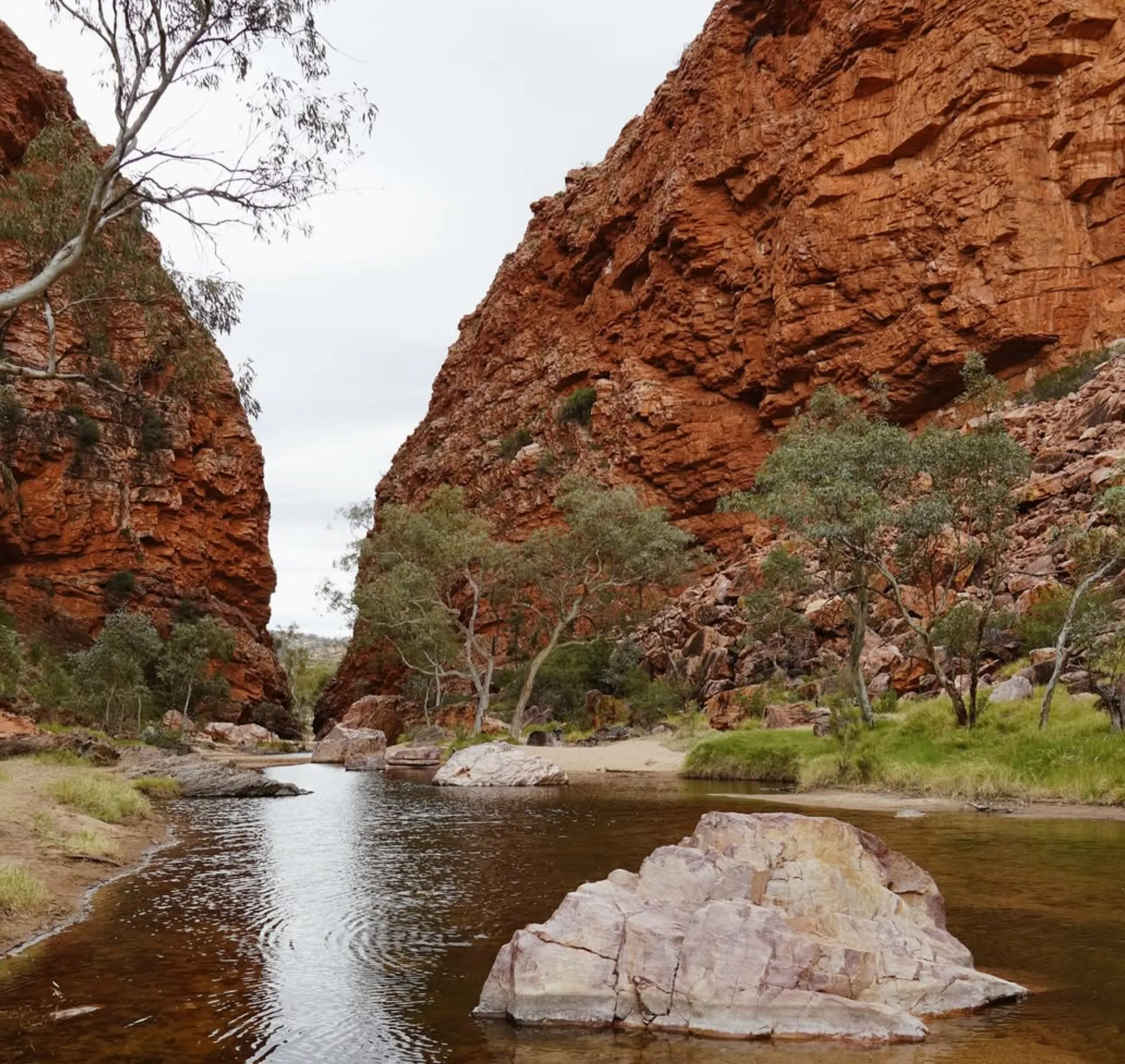
Travel in the Dry Season (May–Sept) and you’ll get cool nights (sometimes near Deep Freeze levels) and sunny days. Come in the Wet Season (Nov–Mar) and you might see waterfalls tumbling down Uluru — but also face road closures, humidity and mozzie swarms.
Checklist for Your Uluru Trip:
- NT Parks Pass (required entry)
- Fly net (mozzies rough as guts in summer)
- Satellite Phone (coverage patchy once you leave the resort)
- 3–4 litres of water per person per day
- Respectful mindset (no climbing Uluru — permanently closed)
Quick Detour: Beauty and Travel Intersect in 2025
Here’s a fun stat: 2025 beauty industry data shows a 42% rise in demand for “natural skin protection” products. Out here, sun care is more than beauty — it’s survival. Travellers are combining style with practicality: zinc sticks, SPF lip balms, breathable fabrics. Outback fashion meets safety.
So pack smart. Mineral Decay on the rock creates that famous red dust — and it’ll cling to your skin, boots and gear. Sunscreen and light fabrics are as much part of your kit as your camera.
Local Yarn: The Day My GPS Failed at Yulara
One time, guiding a group near Yulara, my GPS died. Dead flat land, no landmarks except Uluru itself. We pulled up by the Car Park, boiled the billy and used the rock as our compass. A Satellite Phone was a handy backup, but sometimes you just trust the old ways. That day reminded me: technology fails, but Country always shows you the way.
Final Thought: Respect the Rock, Not the Rumour
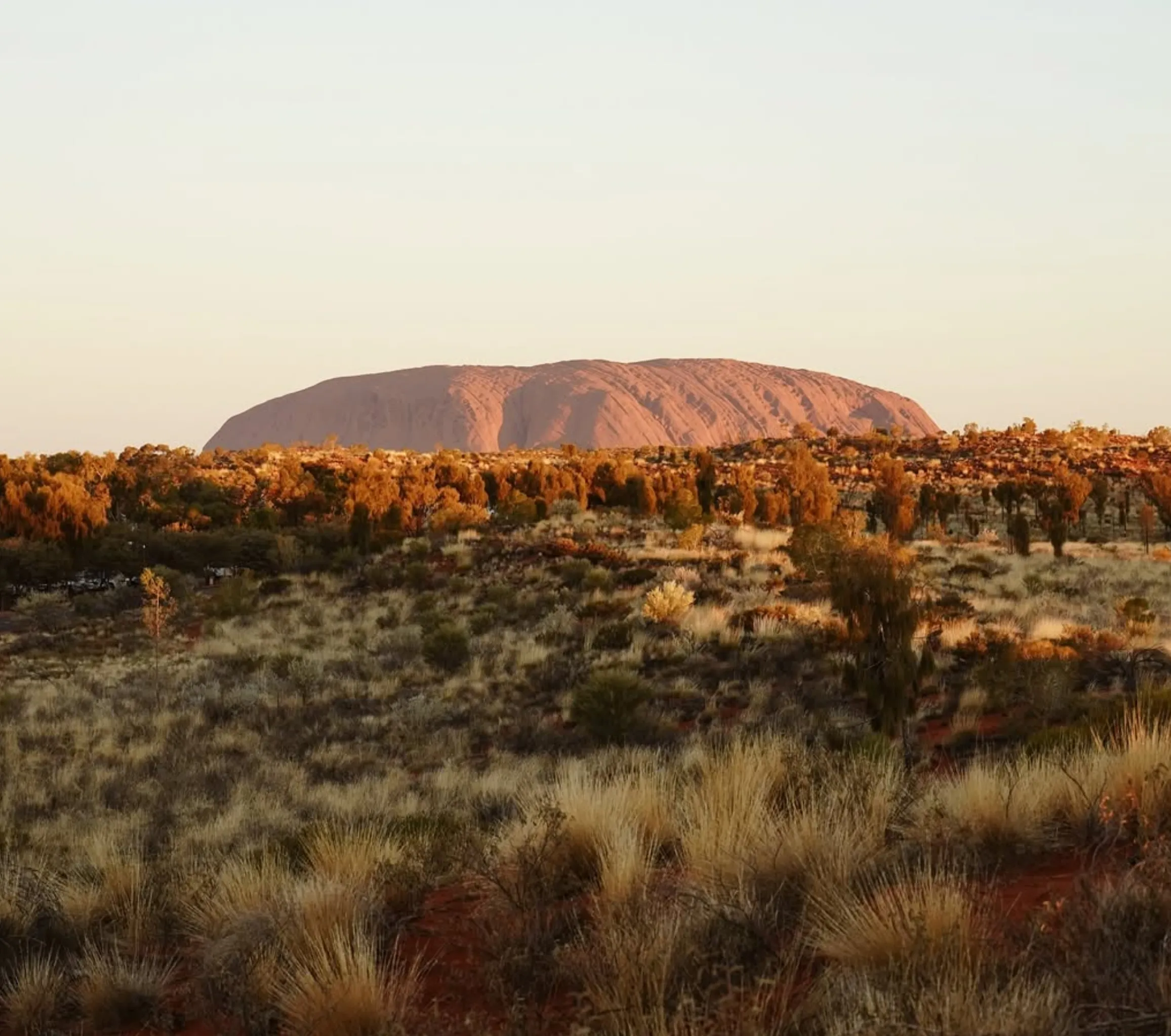
So, is Uluru a Meteorite? No. But it doesn’t need a cosmic backstory to be amazing. Its real story — part science, part culture, part living landscape — is enough. When you stand before it, let go of the space-rock myth and listen instead to the stories that have always been told here.
Got a yarn of your own from the Red Centre? Leave it in the comments. And if you want small-group adventures through this country, check out the trips we run at Get Lost Travel Group — always with respect, always with curiosity.
FAQ
If Uluru isn’t a Meteorite, what is it?
It’s a sandstone inselberg made of arkose and Conglomerate Rock, formed by erosion, sedimentation and tectonic uplift over 550 million years.
Why does Uluru look like an Impact Site?
Its size, isolated shape and Water-Smoothed Rock features give it a crater-like feel — but it’s Earth-made, not a Meteorite Strike.
Can you still see real Impact Craters nearby?
Yes. Henbury Craters (145 km south of Alice Springs) and Gosse’s Bluff are real Meteorite Impact Sites you can visit.
What facilities are there around Uluru?
The Cultural Centre and Uluru Resort area have Public Toilets, Car Parks, service stations and basic shops. Walking tracks are signed.
What’s the best way to visit — tour or self-drive?
If you want context and convenience, book an Uluru Tour. If you’ve got time, water and the right gear, self-driving can be fun.