 by
by If you’re thinking of diving into cosmetic tattoo training & are wondering “Will The Certificate I Get From This Lip Tattoo Course Be Valid in Other States?” then you’re already well ahead of the pack. A lot of new artists get caught up in the buzz around new pigments, machines and those before-and-after photos, and before they know it, they’ve gone & spent a fortune on a lip tattoo course without ever stopping to think whether their certificate will actually let them work in the state they want to. And honestly? That’s one of the biggest questions you really should ask before handing over your cash – especially if you’re planning to move states, or want to offer services on the road.
I’m Olha Po – a lip blush artist, educator and the driving force behind Face Figurati in Melbourne. I’ve been tattooing faces for years now (since 2016 to be exact) and have watched heaps of students build their careers, move interstate, expand their studios and completely transform their lives with cosmetic tattooing. So let’s sit down, grab a coffee and go through all this properly, like we’re just having a chat in the studio.
How Course Recognition Works in Australia
I see the same question get asked every week – “Is my cosmetic tattoo training nationally recognised?” or “If I move to Queensland, will my lip tattoo certificate be OK?” or “Do I need a new licence to work in NSW?” A lot of the confusion comes from the fact that there are so many cosmetic tattoo courses out there – from short beginner sessions to in-depth masterclasses – and it’s not always clear how each one fits in when it comes to national recognition.
The simple version is this:
Your cosmetic tattoo training certificate will be valid in every state, but the rules on compliance vary wildly from state to state.
So don’t worry – your training counts Australia-wide – but before you can actually start tattooing, each state has its own health department and local council requirements you need to meet.
State-By-State Recognition
Here’s a quick rundown on how each state views your lip blush training certificate, as of January 2026. Whether you’ve completed a comprehensive lip blush program or something like an eyebrow tattoo course, the recognition rules are largely the same – your training is fine, it’s the local regulations that matter.
| State/Territory | Is Your Lip Tattoo Certificate Valid? | Additional Requirements Before You Begin Working |
|---|---|---|
| VIC | Yes | Council registration, infection control training, studio checks |
| NSW | Yes | Skin penetration licence, premises approval |
| QLD | Yes | Infection control certificate, operator licence (some councils) |
| WA | Yes | Skin penetration premises licence |
| SA | Yes | Council hygiene audits |
| TAS | Yes | Council registration |
| ACT | Yes | Procedure approval, premises compliance |
| NT | Yes | Environmental health approval |
The key thing is that a certificate from your lip tattoo courses gives you recognition to work anywhere – the only differences are the paperwork and hygiene requirements.
Why Your Certificate Counts Everywhere
I get asked all the time: “Even if the course isn’t nationally accredited, am I stuck in one state?”
Not at all. There’s no government-issued qualification for cosmetic tattooing. What matters is reputable training that covers proper techniques, theory, infection control and working with live models. That’s why high-quality cosmetic tattoo training is essential – your certificate needs to show what you learned and how in-depth that training was.
How to Get Approved Working Anywhere
I’ve mentored loads of students who later moved interstate or opened new businesses. Here’s how certificates are actually used in the real world.
Going from Melbourne to Sydney
One student completed her lip blush course with me and moved to NSW. Her certificate was accepted, but she still needed:
- A skin penetration licence
- A council premises inspection
- Updated infection control paperwork
From Victoria to Queensland
Another student moved to Brisbane. Her certificate was valid, but Queensland Health required:
- A current infection control certificate
- A treatment room with a hand-wash basin
- A compliant floorplan lodged with council
Travelling Artists Offering Pop-Ups
Artists doing lip blush pop-ups in Hobart or Adelaide find their certificates accepted every time. Councils mainly focus on hygiene processes and infection prevention systems.
What Your Course Must Cover To Be Accepted

Not all courses are equal. A high-quality lip tattoo course should include:
- Machine handling
- Colour theory basics
- Anatomy fundamentals
- Contraindications
- Client aftercare
- Wound healing
- Core lip blush techniques
- Safety and infection control procedures
If these are glossed over, councils and insurers won’t take the certificate seriously.
Check If Your Certificate Is Recognised
- Contact your local council
- Confirm their terminology (cosmetic tattooing, skin penetration, lip tattoo)
- Ask three key questions
- Do I need a premises licence?
- Do I need a personal operator licence?
- Which infection control course is required?
Councils prefer certificates showing training hours, trainer credentials and supervised practice.
Before You Start Your Training
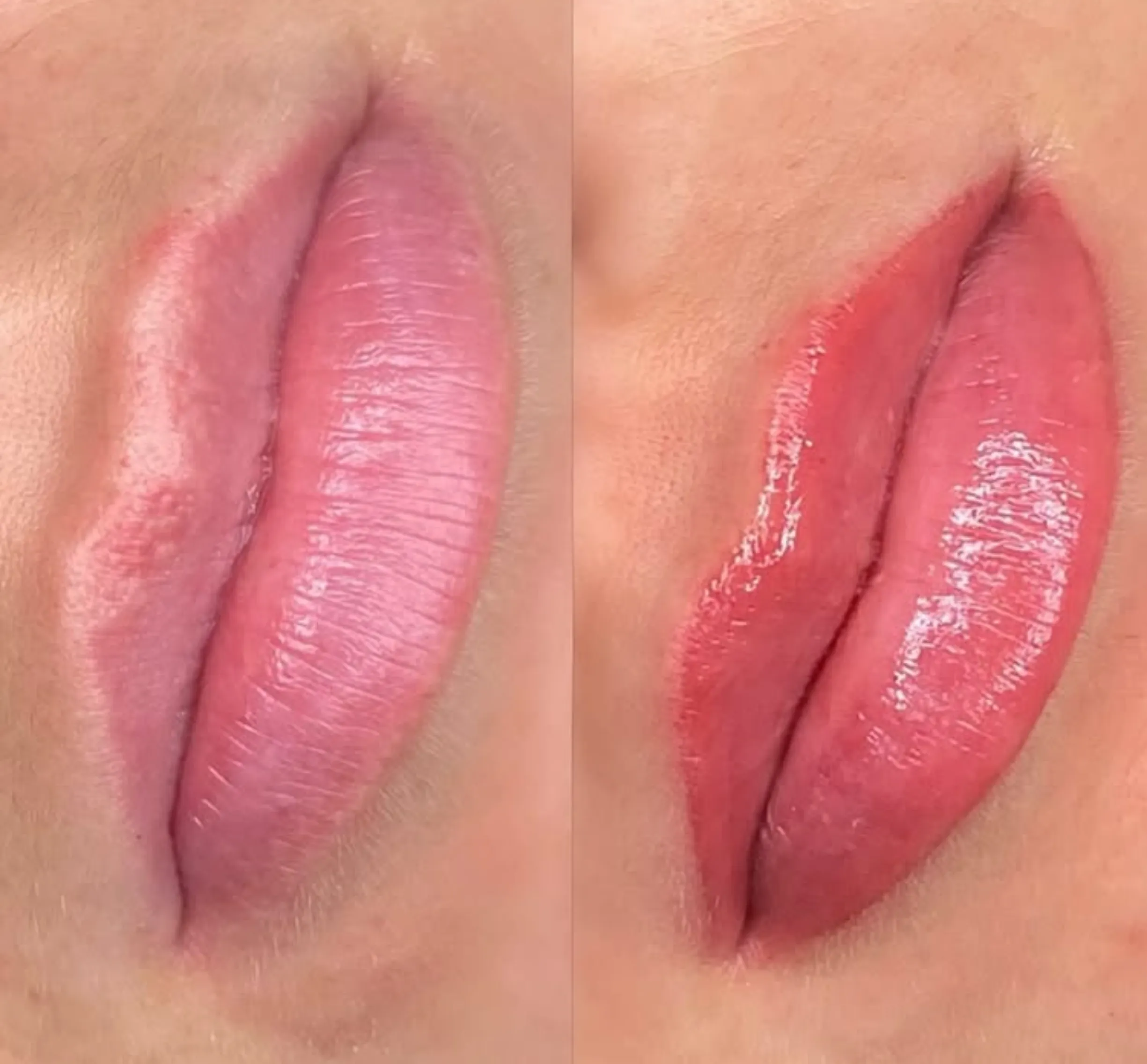
Your lip tattoo certificate is recognised nationwide – but success comes from choosing training that meets council expectations. That’s why I focus on hygiene, lip blush science and real-world practice at Face Figurati in Melbourne.
If you’re planning to train, relocate or open a studio, I’m always happy to help you navigate the compliance side so you can build a safe and sustainable career in cosmetic tattooing.
FAQ
Are lip tattoo courses accepted in every Australian state?
Yes – your certificate is accepted nationwide, but local health requirements still apply.
Do I need to retrain if I move interstate?
No. Your training certificate remains valid.
Do I need an infection control certificate everywhere?
Yes. It’s required in every state.
Can I tattoo from home?
Yes, if your home studio meets council hygiene standards.
Does my cosmetic tattoo training need to be accredited?
No. What matters is depth, quality and legitimacy of the training.