 by
by The Great Ocean Road is famous for its coastal views, cliffs, beaches and scenery—making it one of Australia’s most popular road trip destinations. But while you’re taking in the stunning views at places like Loch Ard Gorge, Cape Otway or Wreck Beach, one practical question can ruin your plans: Is there mobile reception on the Great Ocean Road?
The Great Ocean Road is famous for its coastal views, cliffs, beaches and scenery making it one of Australia’s most popular road trip destinations. Whether you’re doing a 2 day Great Ocean Road tour or taking your time exploring every hidden beach, knowing where you’ll have mobile coverage can make your trip a lot smoother.
Mobile Coverage by Area
Torquay to Lorne
From Torquay to Lorne, phone reception is good. Telstra, Optus and Vodafone have good coverage, especially in tourist hotspots like Bells Beach, Anglesea and Lorne.
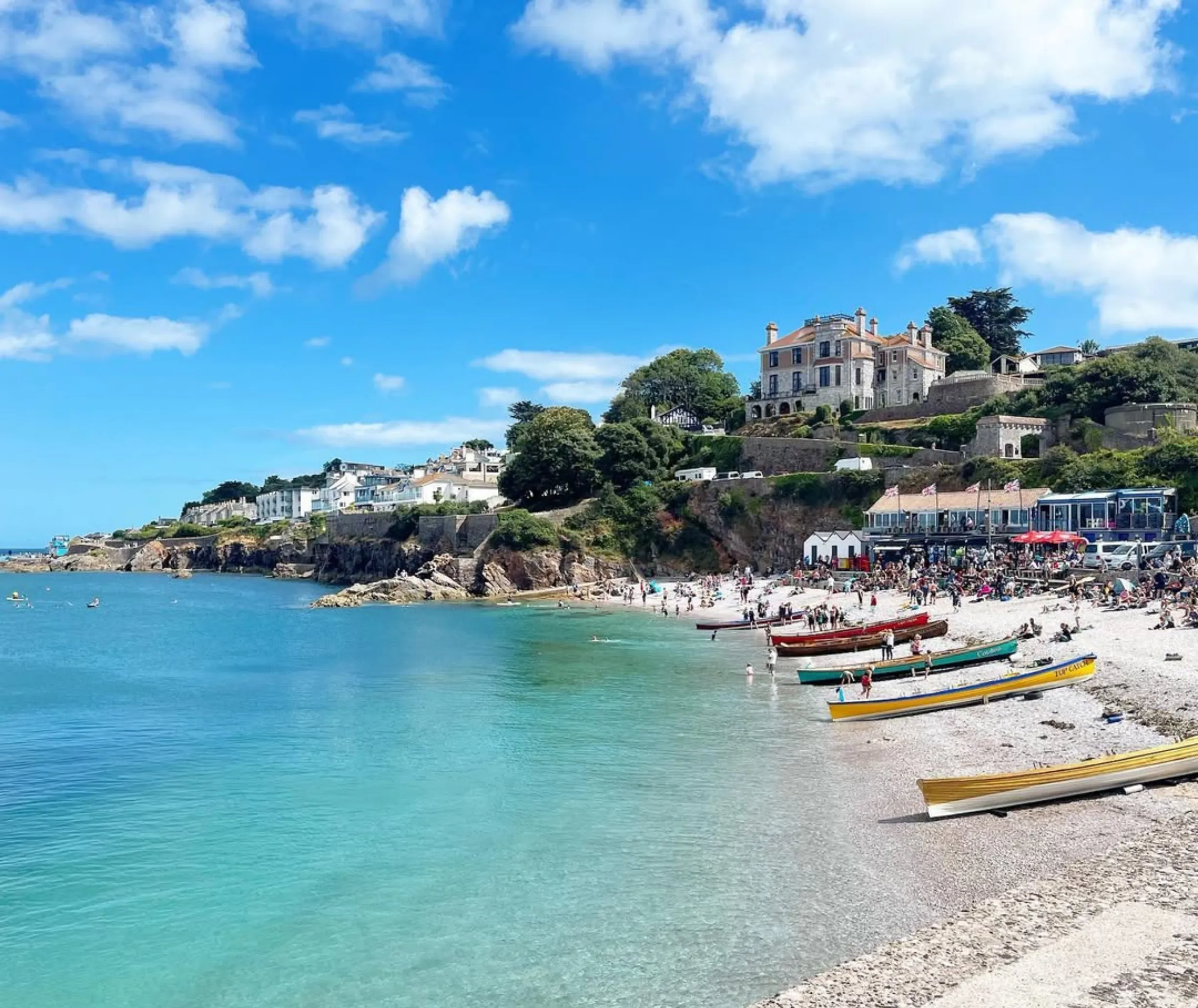
This section has beach access points, day-visitor car parks and well-maintained walking tracks. Most campsite reservation platforms, cafes and Marengo Caravan Park have Wi-Fi or a good mobile signal for checking tide times, weather or your bus timetable.
Hotspots with coverage:
- Kennett River (for crimson rosellas)
- Wye River (for beach walking and views)
This section is where many Great Ocean Road tours start and has good reception. As part of many Melbourne tour packages, travellers get to experience Bells Beach and Lorne while staying connected in towns with good network coverage.
Lorne to Apollo Bay
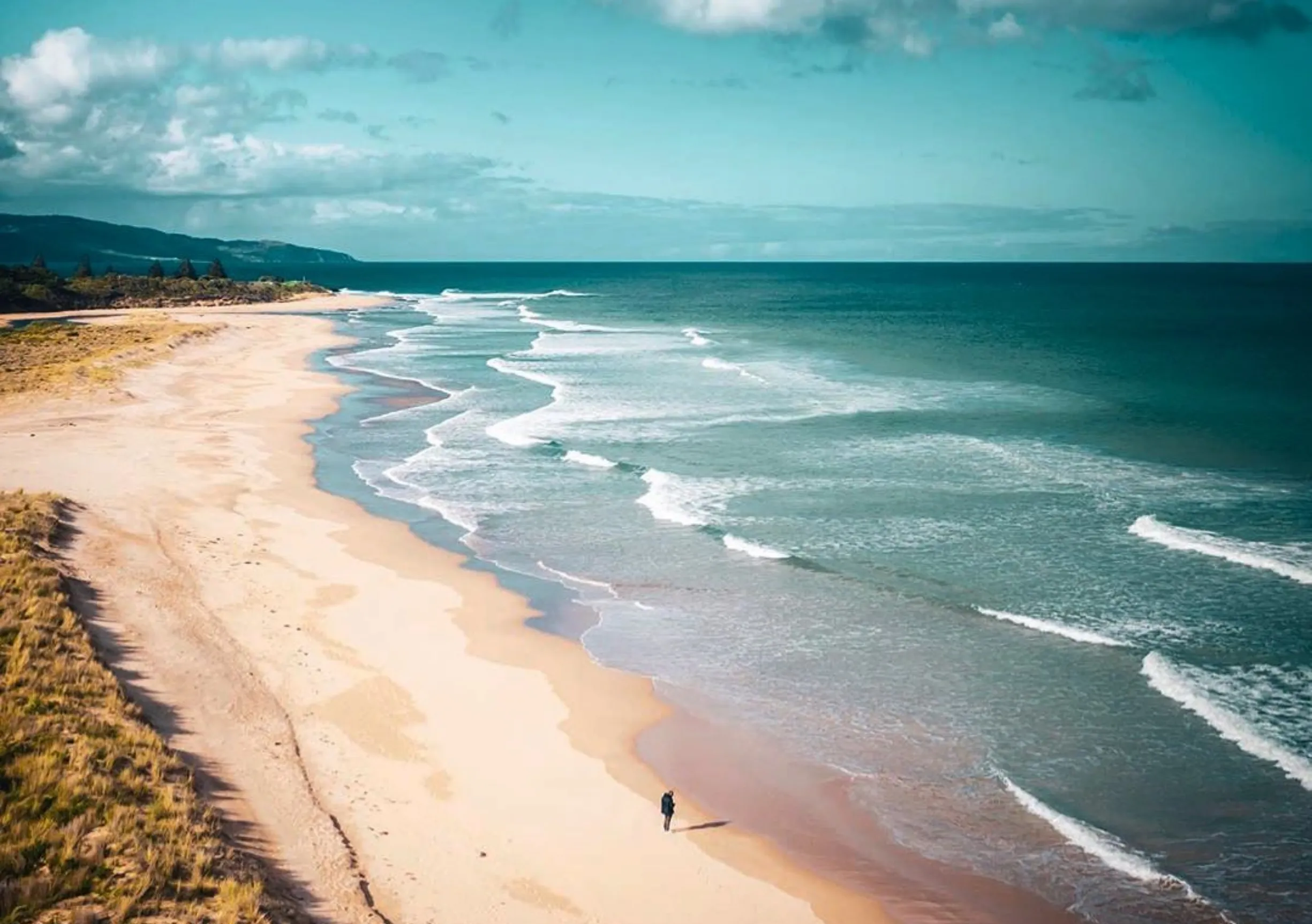
Reception becomes patchy as you enter the Otway Ranges and coastal scrub zones. In Apollo Bay,a you’ll find 4G and services at the Apollo Bay Visitor Information Centre. But between Eliot Ridge and Castle Cove especially expect black spots.
Highlights:
- Hiking pack and good walking shoes are required for rough trails
- Rainwater tanks at designated campsites – be careful, untreated water
- River crossings and steep staircases near Aire River Heritage and Blanket Bay beach area
As you get deeper into the Otway National Park, the reception becomes more patchy. This section is popular for those on a 2 day Great Ocean Road tour, with a mix of rainforest and coastal views, but plan ahead for black spots in this area.
Apollo Bay to Port Campbell
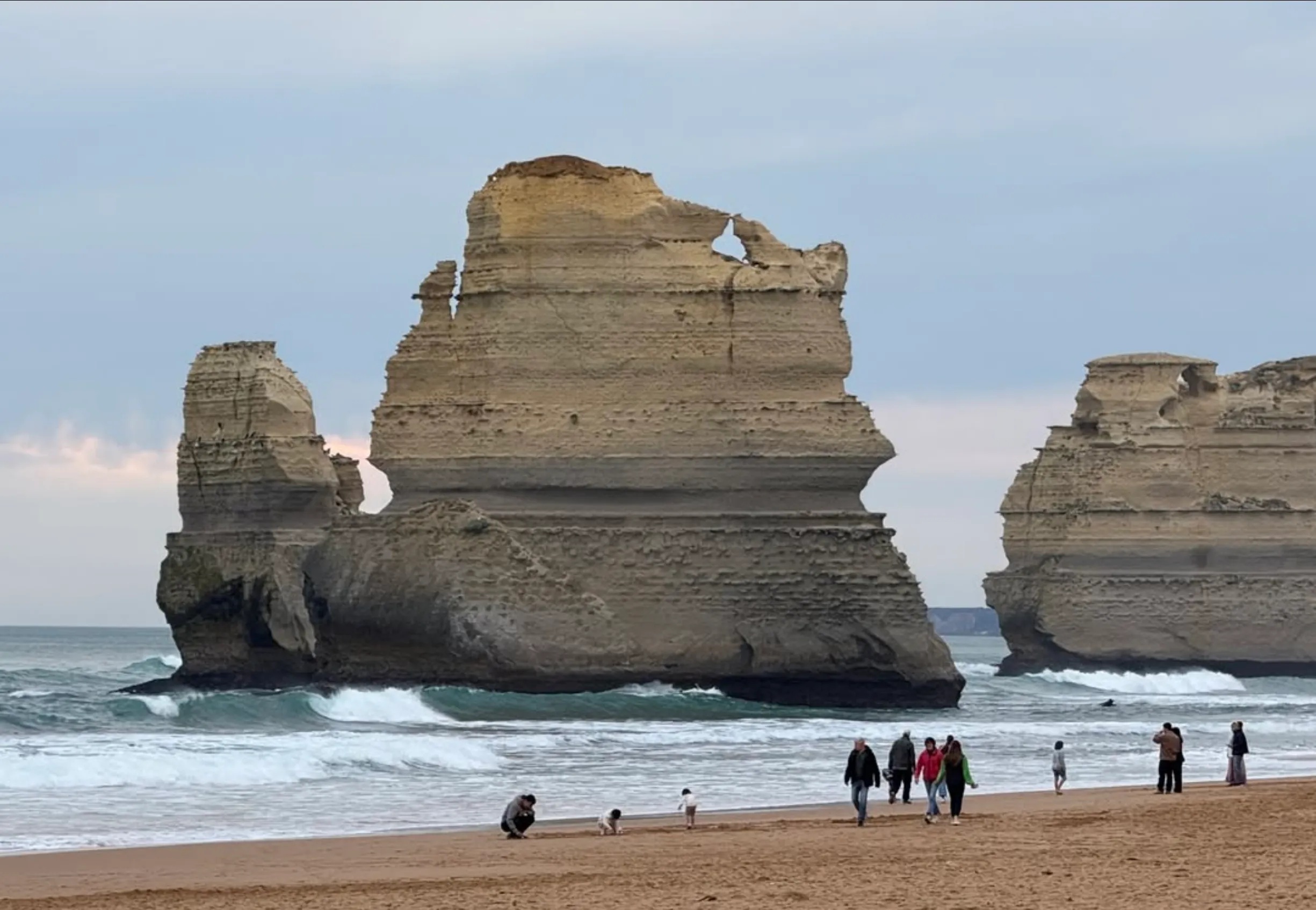
This area has coastal cliffs, ancient rainforests, and no phone reception. Around Cape Otway Lighthouse, Ryans Den, and Johanna Beach, the signal is non-existent. Campers at Ryans Den Campground or West Campground should download offline data before they go.
Important notes:
- Bring insect repellent, a daypack and blister cream/dressings
- Know your fitness level—some daily walks are challenging
- Be aware of weather conditions, especially heavy rain and ocean swells
Reception returns near Port Campbell, home to Port Campbell National Park, Station Beach and the 12 Apostles viewing platforms.
Port Campbell to Warrnambool
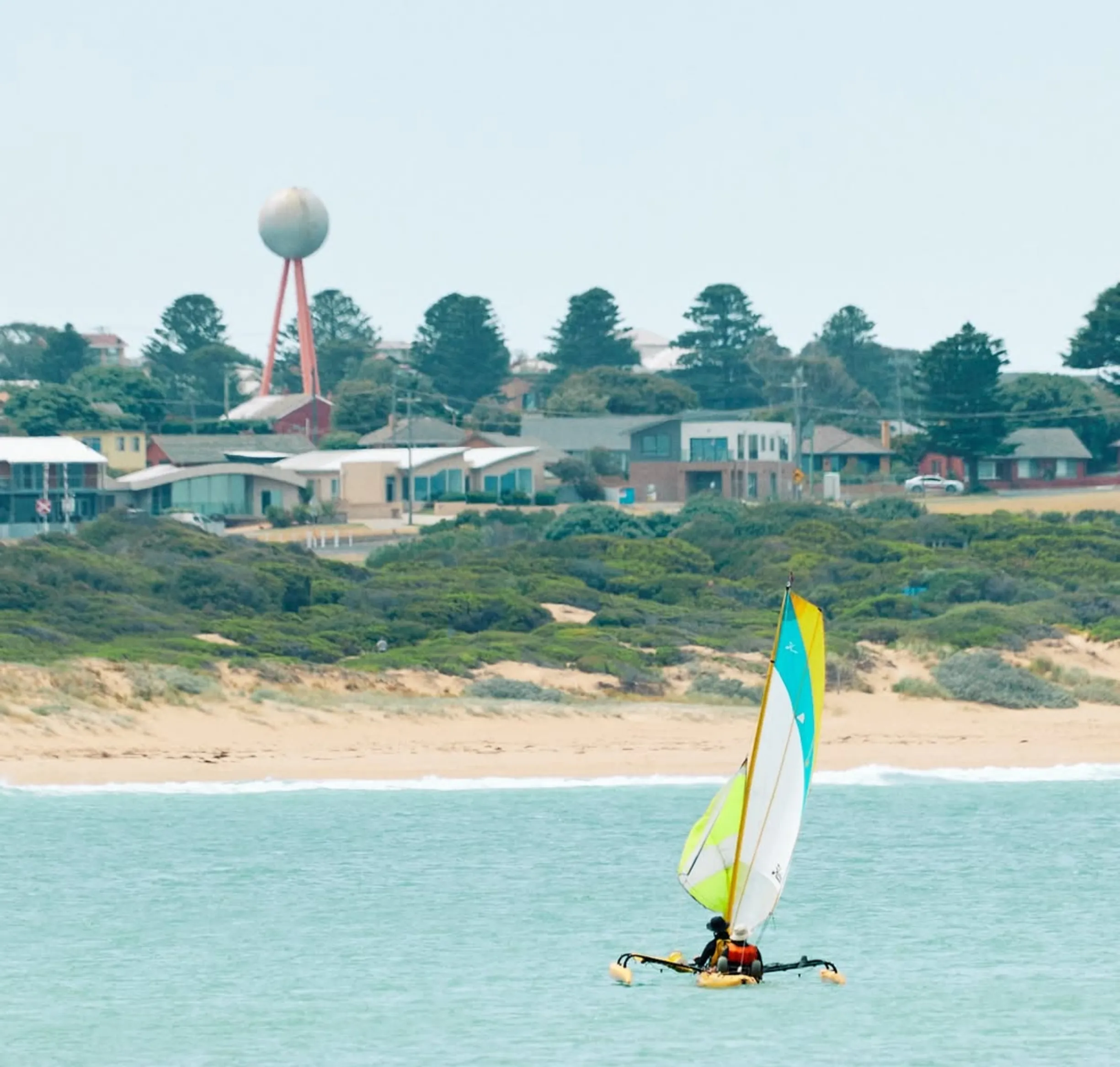
Reception improves from Port Campbell to Warrnambool, Telstra has the best coverage. This area has easier beach walking, public parking and campsites in advance. Great for families, school groups and online users.
Telstra Has the Best Coverage
When it comes to mobile reception on the Great Ocean Road, Telstra is the best. If you’re self-guiding, walking the Great Ocean Walk or exploring remote beaches like Milanesia Beach or Shelly Beach then Telstra is the safest option.
Coverage Summary:
- Telstra: Best for national parks, remote areas and coastal scenery
- Optus: Okay in town centres, poor in remote areas
- Vodafone: Weakest overall; not ideal for multi-day walks
Pro Tip: Download Before You Go
The safest option is to download offline walking itineraries, tide times and bus timetables. Whether you’re walking to Parker Hill, camping at Aire Crossing Campground, or exploring alternative beach routes, having offline access is key.
Apps to consider:
- Google Maps with offline areas
- AllTrails for trail hours and difficulty
- Parks Victoria for National Park RegulationsIf you’re joining a Great Ocean Road tour as part of a Melbourne tour package then this is especially important. Many people don’t realize that between photo stops, beach walks and national park hikes there are several areas where you’ll lose signal.
How to Stay Connected
- Mobile Booster: Consider if camping in high-risk areas or deep in the bush
- Personal Locator Beacon (PLB): Recommended for experienced hikers
- Satellite phone hire or safety equipment hire available at select centres
- Use public transport and shuttle services for alternative transport
- Check emergency markers along trails and note their locations
Is it Safe to Travel Without Reception?
Yes—with common sense and preparation.
Follow these safety tips:
- Bring toilet paper, mozzie hat fly screens and a day itinerary
- Use secure parking in official car parks only
- Respect traditional owners and stay on marked trails
- Don’t rely on mobile phones; use printed maps for alternate routes
- Always check coastal weather and trail hours
Conclusion
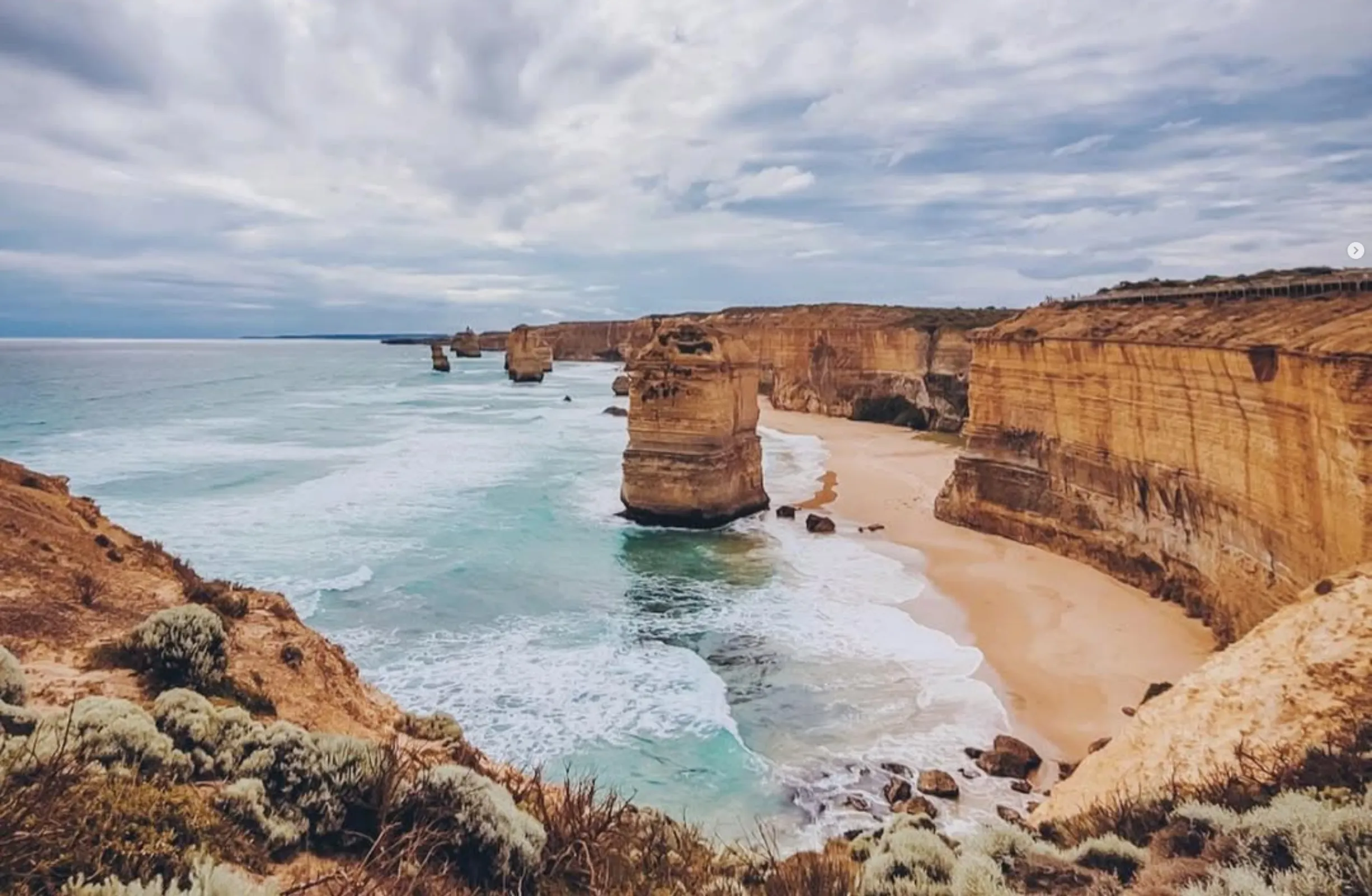
So, is there reception on the Great Ocean Road? Yes, in most towns and some coastal areas but not everywhere. If you’re going into the Otway National Park, camping at remote beaches or doing a 2 day Great Ocean Road tour, you need to plan ahead.
Most Melbourne tour packages that include the Great Ocean Road will take into account reception blackouts but self-guided travellers should be more cautious.
FAQ
Do I need Telstra to have coverage along the Great Ocean Road?
Yes, Telstra has the best coverage, especially for remote campsites like Blanket Bay and Ryans Den.
Can I check tide times and weather conditions while on the walk?
Yes, but only in towns or near signal areas. It’s good to download the tide timetable and weather forecast beforehand.
What if I get lost and don’t have reception?
Use a personal locator beacon, stick to the marked track and tell someone where you’re going. Emergency markers will help rescuers find you.
Are there any public Wi-Fi zones or hot spots along the trail?
Yes, at visitor centres like Apollo Bay Visitor Information Centre, cafes and some camping sites.
Can I use my phone for navigation the whole time?
No. There will be blackouts near Cape Otway, Aire River and Milanesia Beach. Always bring offline maps and a physical day itinerary.