 by
by “What are the downsides of dermaplaning?” We get asked this more often than you’d think in our Brisbane studio, and not because it’s a bad treatment. Quite the opposite. Dermaplaning has been on a serious popularity high thanks to its instant smoothing effects, facial hair removal benefits and makeup application magic. But like any treatment, it’s not all sunshine and rainbows. And we’re all about keeping it real.
Why dermaplaning is everywhere
Smooth skin and social media filters have a lot to answer for. Dermaplaning took off fast because of its promise of fuzz-free, glowy skin with no downtime. But that doesn’t mean it suits every skin type or skin condition.
We’ve seen clients with sensitive skin come in post-viral peel and regret it a few days later. The thing is, not all skin types or concerns do well with an exfoliating blade gliding across them. And if your stratum corneum (your outermost layer) is already compromised? You could be setting yourself up for irritation, redness or worse.
Dermaplaning in Brisbane is super popular, but humid weather and certain skin types mean it’s not always the best fit year-round.
Common skin reactions we see post-dermaplaning
- Redness or flushing (especially if you’re fair or rosacea prone)
- Skin irritation from improper blade use or tool hygiene
- Breakouts from bacteria transfer or poor aftercare
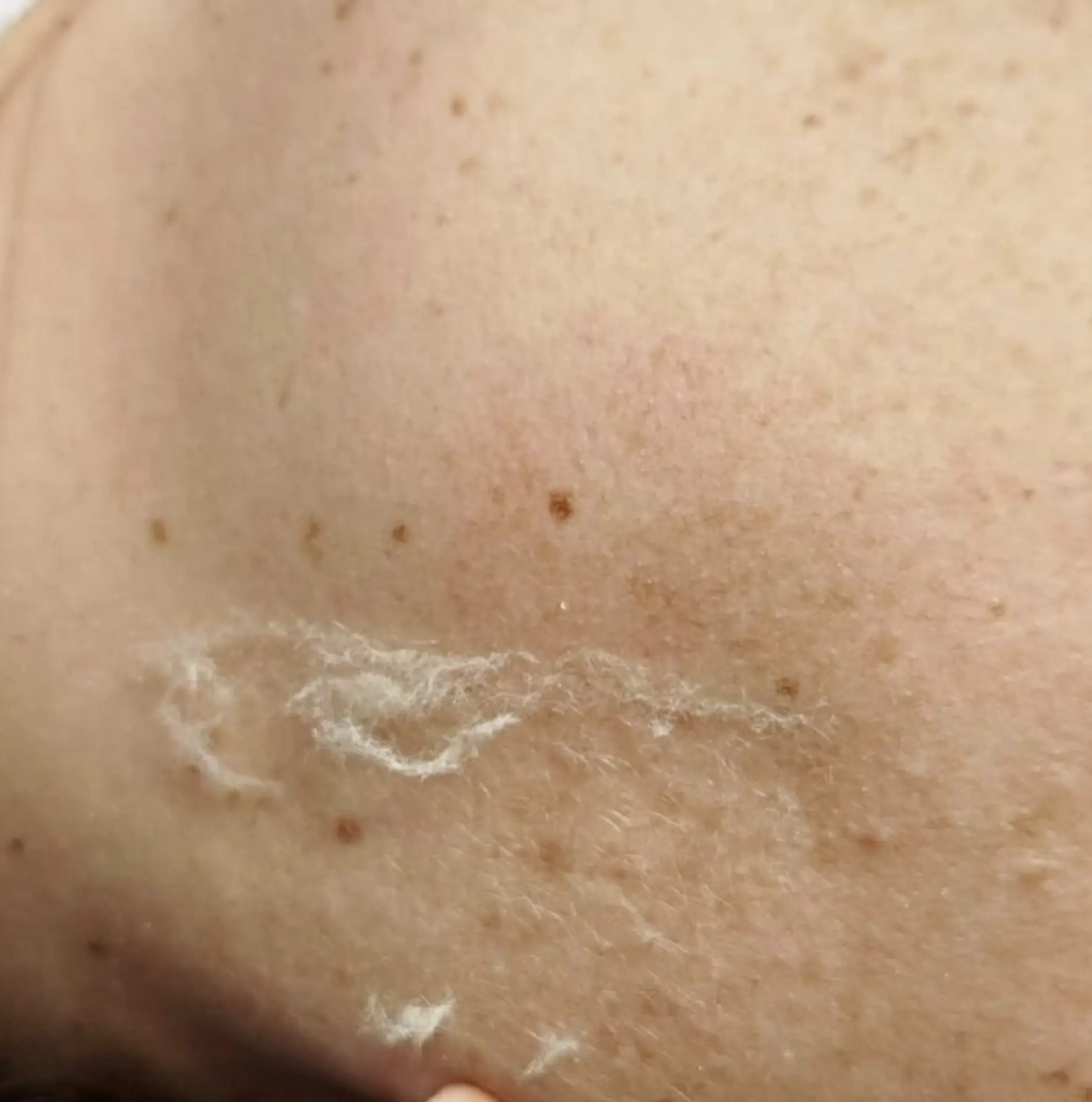
- Dry patches and flakiness
- Ingrown hairs (rare, but it happens)
- Temporary tightness or sensitivity
If your skin has active breakouts, active acne, eczema or recent skin peel or laser surgery, we’ll always suggest postponing your appointment. Dermaplaning can aggravate inflamed skin and push bacteria deeper into the hair follicle.
The myth of peach fuzz growing back thicker
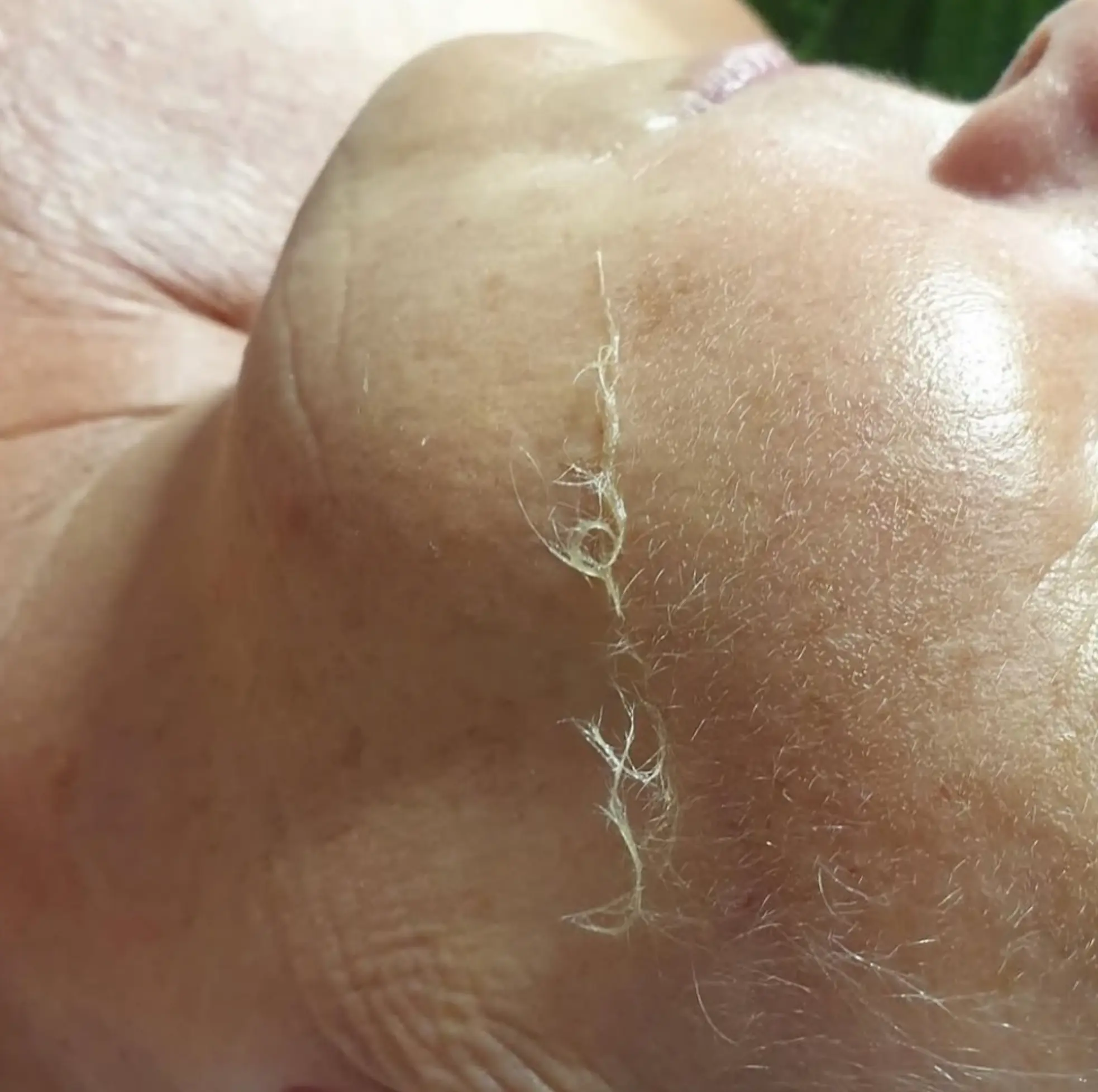
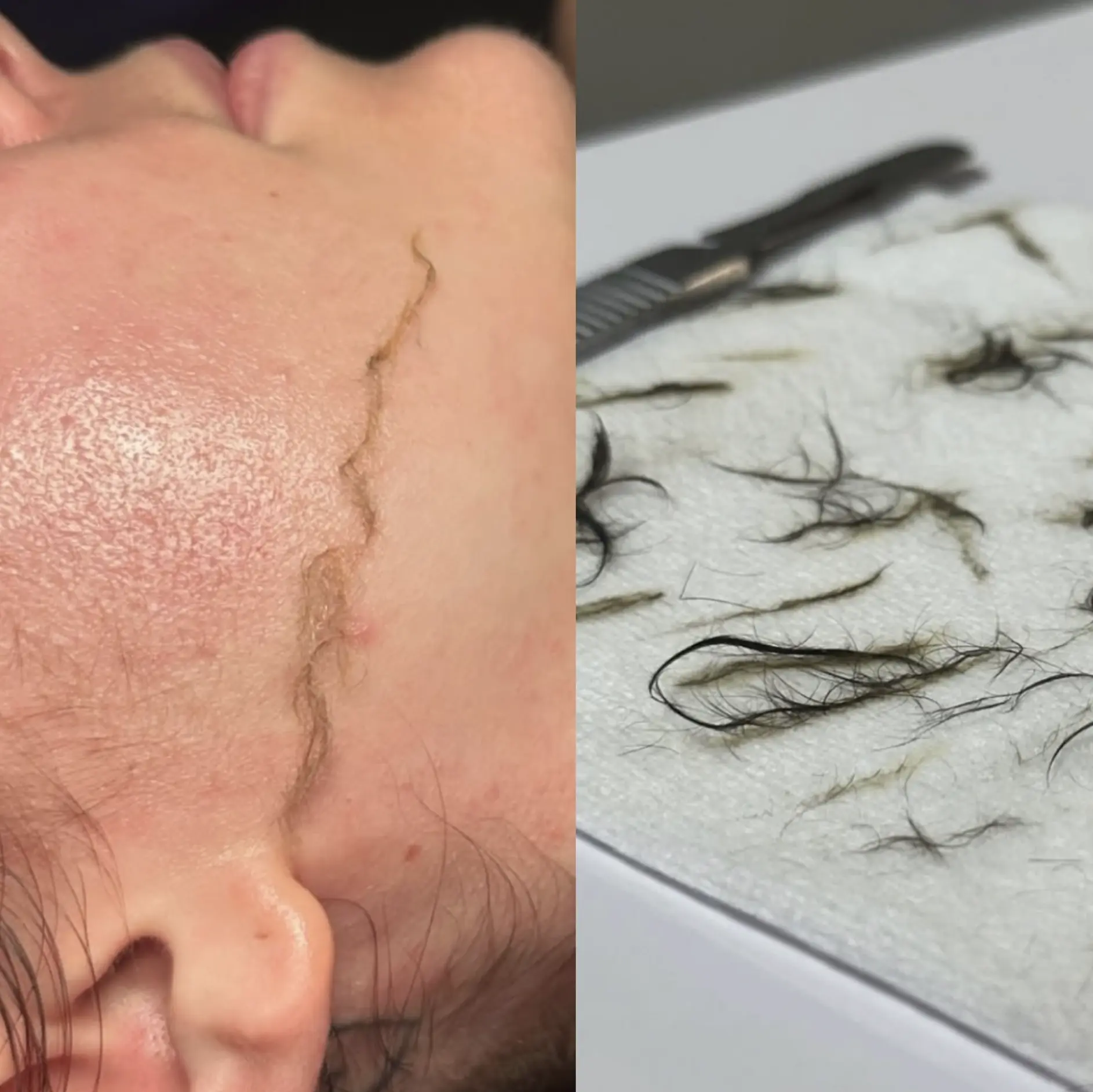
Let’s settle this once and for all: shaving vellus hair (aka peach fuzz) doesn’t change its colour, texture or thickness. That being said, we’ve had clients say their facial hair feels thicker – usually because the blunt edge of the hair grows back with a more noticeable tip. That’s just physics, not hormones. It doesn’t mean you’ve triggered terminal hair growth.
Our tips if you’re worried about regrowth:
- Space out sessions every 4–6 weeks to minimise irritation
- Use a hydrating serum like Post-Shave Hydration Serum post-treatment to support the skin barrier
- Don’t pick or over-exfoliate while the skin is healing
If you’re considering at-home hair removal tools, we highly recommend taking a certified dermaplaning course before using professional tools on your own skin.
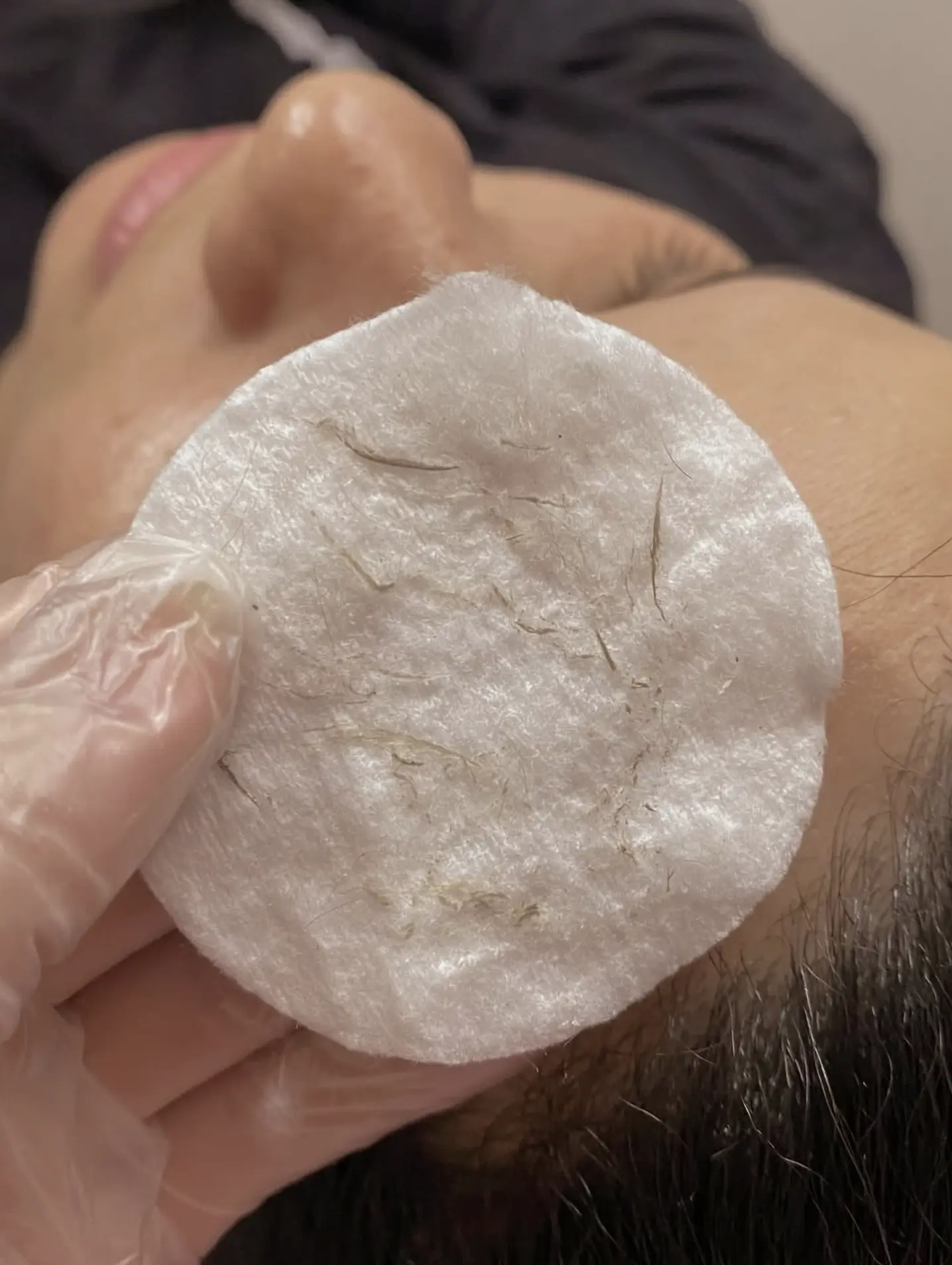
It’s not a permanent fix
This one always comes as a surprise to first timers: dermaplaning is a temporary manual exfoliation treatment.
You’ll get that glassy finish and makeup-ready glow for 7 to 10 days max. Then your skin’s natural cell turnover kicks in, your fine facial hair grows back, and the effect fades.
| Timeframe | What You’ll Notice |
|---|---|
| Day 1–2 | Glowy, smooth, tight skin; possible mild redness |
| Day 3–5 | Skin starts feeling drier; some flaking or tightness |
| Day 6–10 | Hair regrowth begins; skin texture evens out again |
| Week 2+ | Effects fade, normal cell turnover resumes |
You’ll need to get regular treatments to maintain the look. That might be every 4 weeks for some, or every 6–8 for others. It’s not one and done, but that’s not a deal breaker if you love how it feels in the short term.
Hygiene matters more than the blade
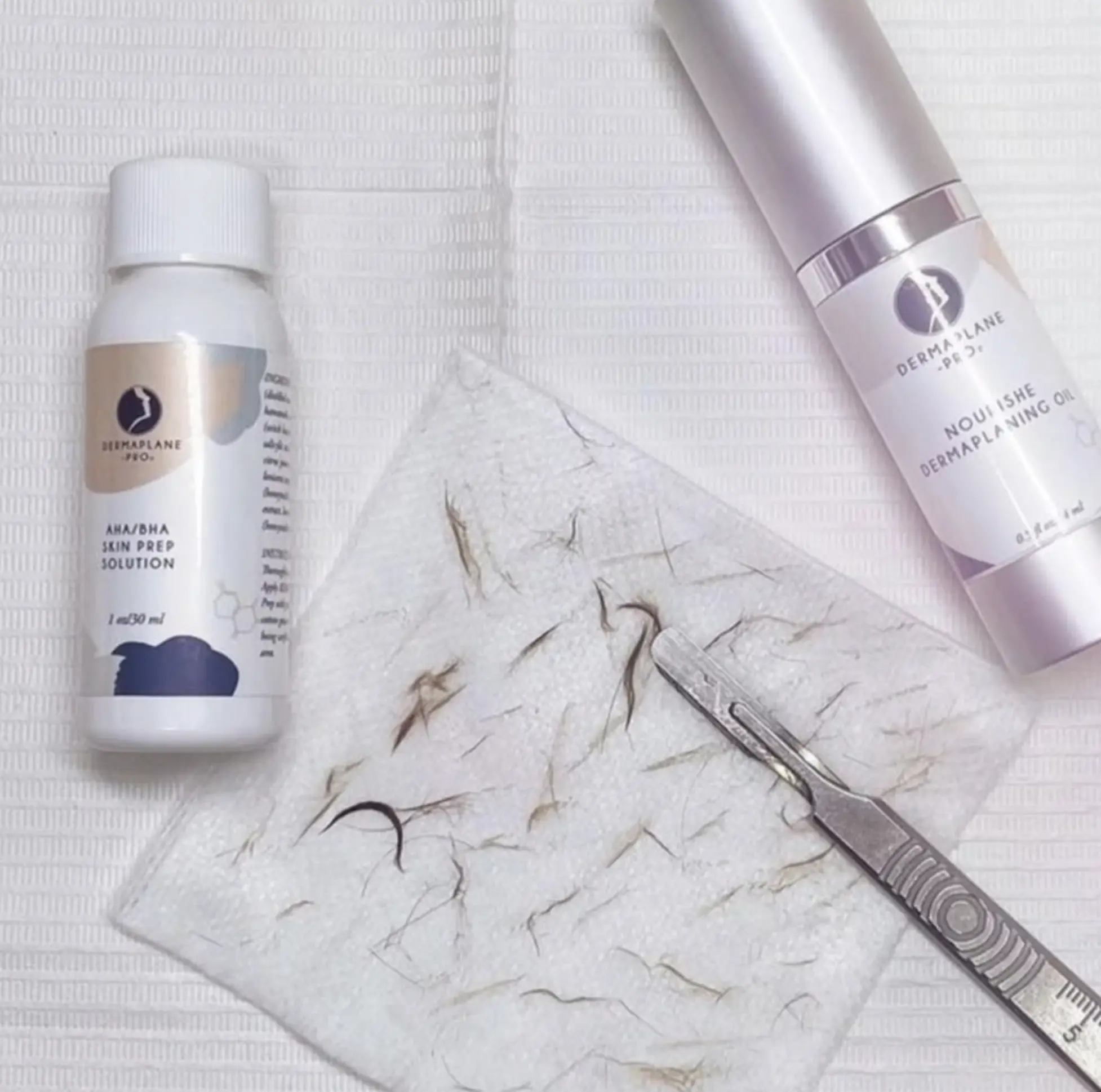
This is the part we can’t stress enough. A clean studio, properly sterilised tools and experienced hands are what separate a great dermaplaning treatment from a breakout disaster.
In our Brisbane studio, we only use sterile, medical-grade dermaplaning razors and surgical blades – and never reuse blades. Ever. Every facial razor and safety blade is cleaned according to Queensland Health hygiene standards, and our dermal therapists are trained in skin conditions, not just trending techniques.
Dermaplaning training is essential – not just for technique but for understanding hygiene protocols and how different skin types respond to manual exfoliation.
Dermaplaning red flags to watch out for:
- No consultation or review of medical history beforehand
- Reused blades (big no!)
- No gloves or face mask worn by the therapist
- No aftercare advice or product guidance
Your skin is your largest organ. Don’t hand it over to someone cutting corners with sanitation.
How Brisbane’s climate can mess with healing
Let’s talk weather. Dermaplaning in Brisbane’s humid summer can feel amazing (hello, sweaty clogged pores), but the post-treatment environment isn’t always your friend.
High humidity can increase sweat and sebum production, which means:
- More congestion post-treatment
- Extra sensitivity to heat, especially in flushed or reactive skin
- Higher risk of bacteria transfer if you’re not careful with aftercare
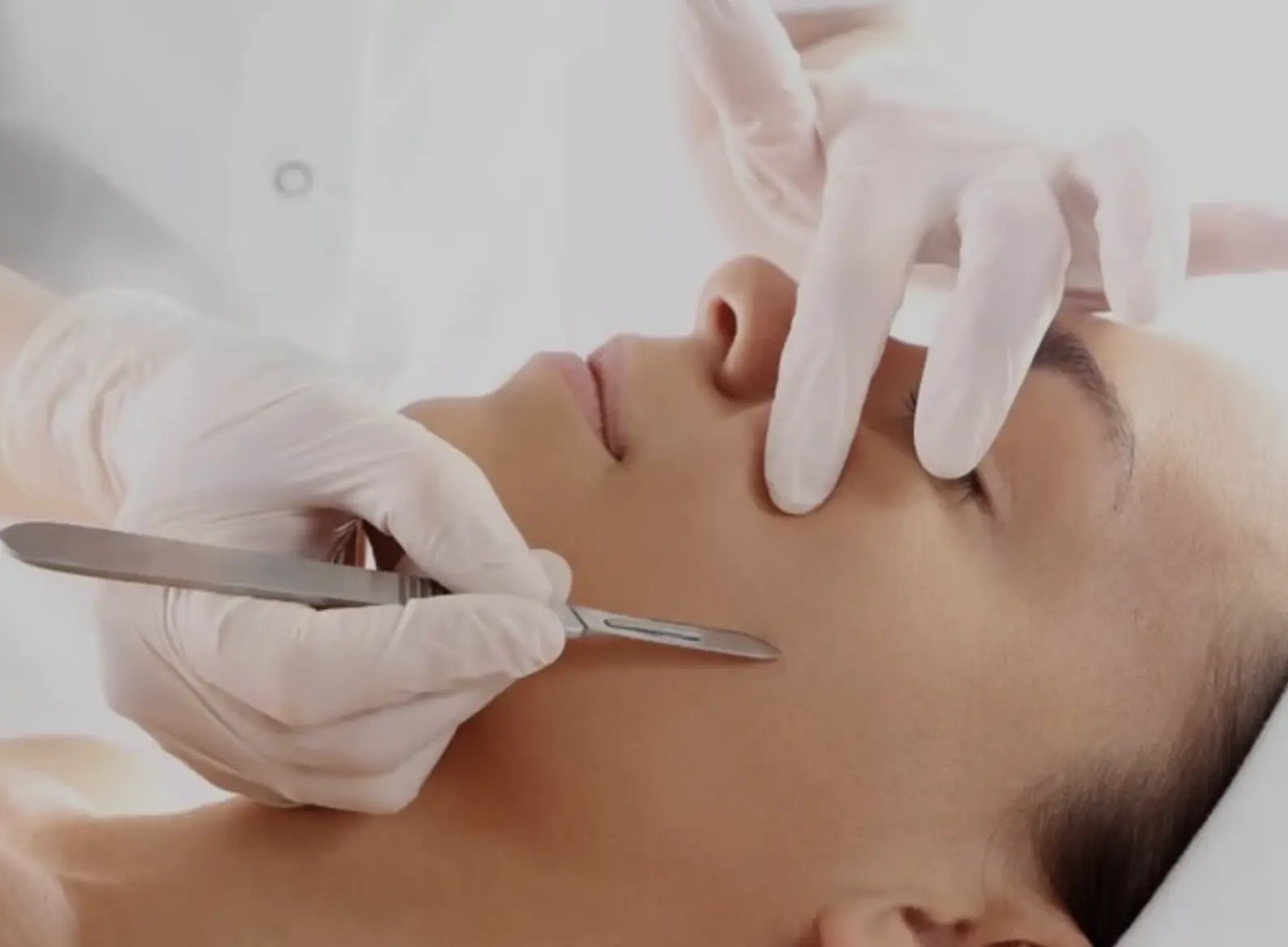
We recommend:
- Book your professional treatment during cooler months or less humid weeks if you have oily or acne-prone skin
- Don’t go to the gym, sauna or chlorinated pools for 24–48 hours after
- Keep your hands off your face and clean your pillowcases and phone screens!
At Face Figurati Cosmetic Tattoo Studio in Brisbane, we take a personalised approach to every treatment – because your skin deserves more than a one-size-fits-all trend.
When dermaplaning can go wrong
Sometimes it’s not about the treatment itself but the timing, skin prep or what you use afterwards.
We’ve seen dermaplaning go wrong when:
- Used alpha- or beta-hydroxy acids, retinol or other exfoliating products too close to the appointment
- Recently waxed, lasered or had chemical peels
- Exfoliated too soon after treatment
- Forgot to apply broad-spectrum sunscreen or Skin Defence Guard daily
If you’re unsure if dermaplaning is safe for your skin condition or current skincare routine, a well-trained provider with proper dermaplaning training can assess this during consultation.
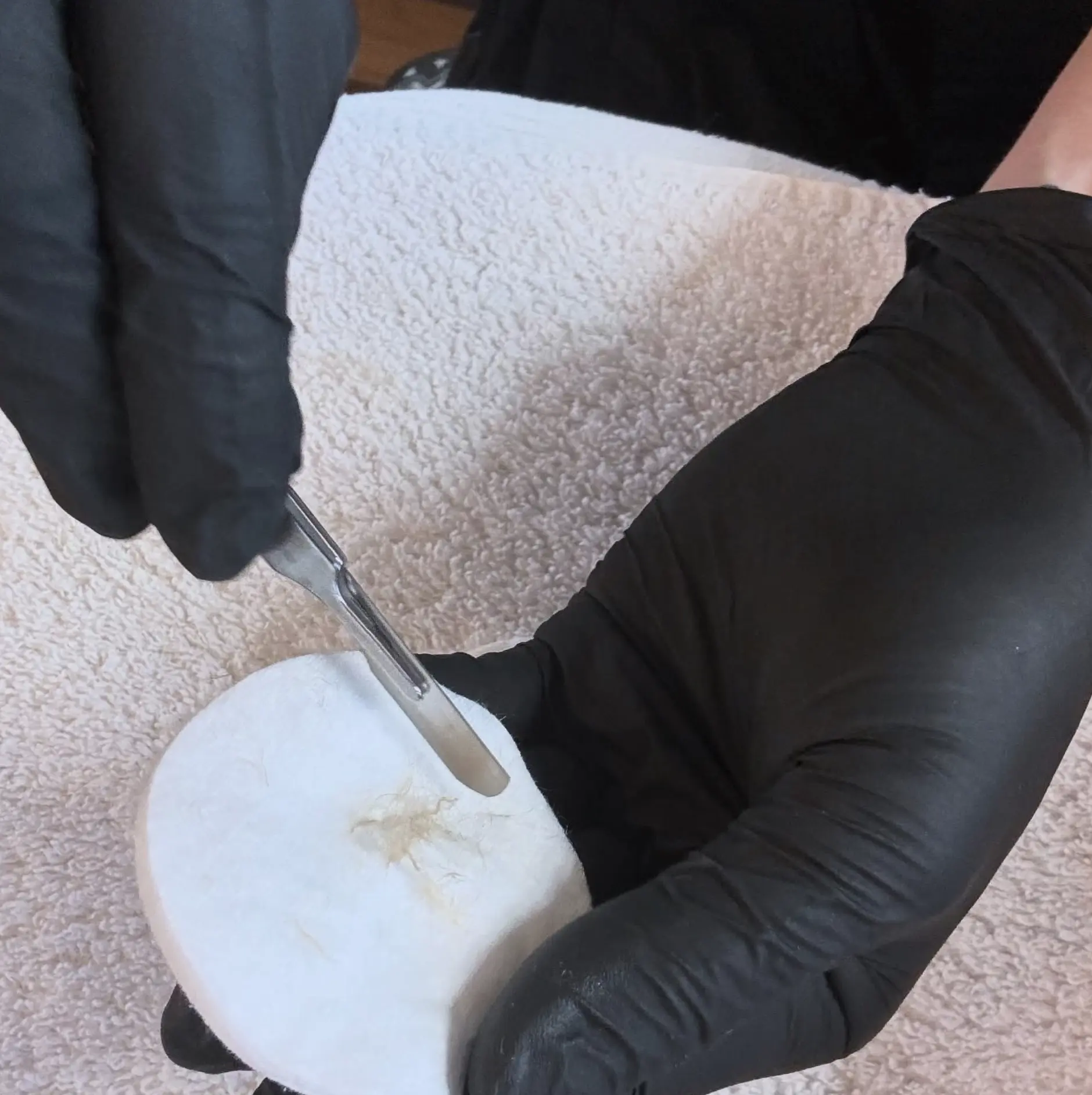
DIY dermaplaning kits
Yes, we know there are at-home dermaplaning blades all over social media. But no, we don’t recommend using them unless you’ve had proper training.
A sterile surgical blade is not the same as a $5 facial razor. Technique, angle (especially the 45-degree angle), and pressure matter. One wrong flick and you can cause microtears, inflammation, or worse — spread bacteria across your face.
Instead of DIY, consider booking in for a professional dermaplaning Brisbane treatment with someone trained in skin anatomy and safety protocols.
And while we’re at it: don’t reuse at-home blades either. That’s asking for breakouts and skin irritation.
2025 skincare trends
According to the 2025 Australian Skincare Insights Report, there’s been a 31% drop in chemical peel bookings, while treatments like dermaplaning and LED light therapy have held steady. Why? People are chasing glow without the downtime.
But there’s also a strong shift towards protecting the skin barrier. That means:
- Fewer aggressive exfoliants
- More skin-type-specific protocols
- Focus on barrier-supportive skincare products like ceramides and niacinamide
- Avoiding overuse of hair removal creams, facial scrubs, and at-home dermaplaning
If you’re in the beauty industry, a dermaplaning course can help you understand how to offer the treatment safely and effectively, especially in climates like Brisbane’s.
Dermaplaning fits into this world if done right. But when paired with harsh products, poor prep, or back-to-back exfoliation treatments? That’s when the downsides show up.
FAQ
Will my hair grow back darker or thicker?
No. Vellus facial hair isn’t hormonally triggered, so dermaplaning won’t affect its texture or growth pattern. It may feel thicker as it grows back bluntly, but it’s not changing.
Is dermaplaning good for acne?
Not if you have active acne or active breakouts. Dermaplaning can spread bacteria and aggravate inflammation. If your acne is under control, it may help with acne scars and skin texture — but only under professional guidance.
How long does irritation last after dermaplaning?
Most people experience mild redness or tightness for 1–2 days. If it persists longer, it could be skin irritation, poor aftercare, or the treatment wasn’t suitable for your skin type.
Can I wear makeup straight away?
We recommend waiting at least 24 hours to let the skin settle. Your barrier is more open post-treatment, and makeup can clog freshly exposed pores.
What should I avoid before my appointment?
Avoid active ingredients (AHAs, BHAs, retinoids) and exfoliation for 3 days before. Don’t wax, laser or peel for 7 days before dermaplaning. And come in with clean skin — no makeup, SPF or coconut oil.