 by
by If you’ve ever caught yourself staring at an old tattoo and wondering, “Can you naturally fade a tattoo without lasers?” — you’re not alone. Whether it’s a youthful impulse you’ve outgrown or just a poorly done design, the idea of softening or removing ink without the cost (and sting) of laser is understandably appealing.
In my cosmetic tattoo studio in Melbourne, I often hear clients ask if there are gentle, skin-safe ways to fade old tattoo ink. And the short answer? Yes — sort of. You can encourage tattoos to fade naturally, especially if you know how ink molecules break down in the skin. But will it vanish completely without professional treatments like laser tattoo removal or surgical excision? Not likely.
That said, fading a tattoo naturally might be a great choice if you’re prepping for a cover-up tattoo or just want to tone things down. It’s also an option worth exploring if you’re considering Laser Tattoo Removal in Melbourne but want to reduce the ink density first.
Here’s what works, what doesn’t, and what to expect if you’re skipping the laser removal route.
How tattoos fade
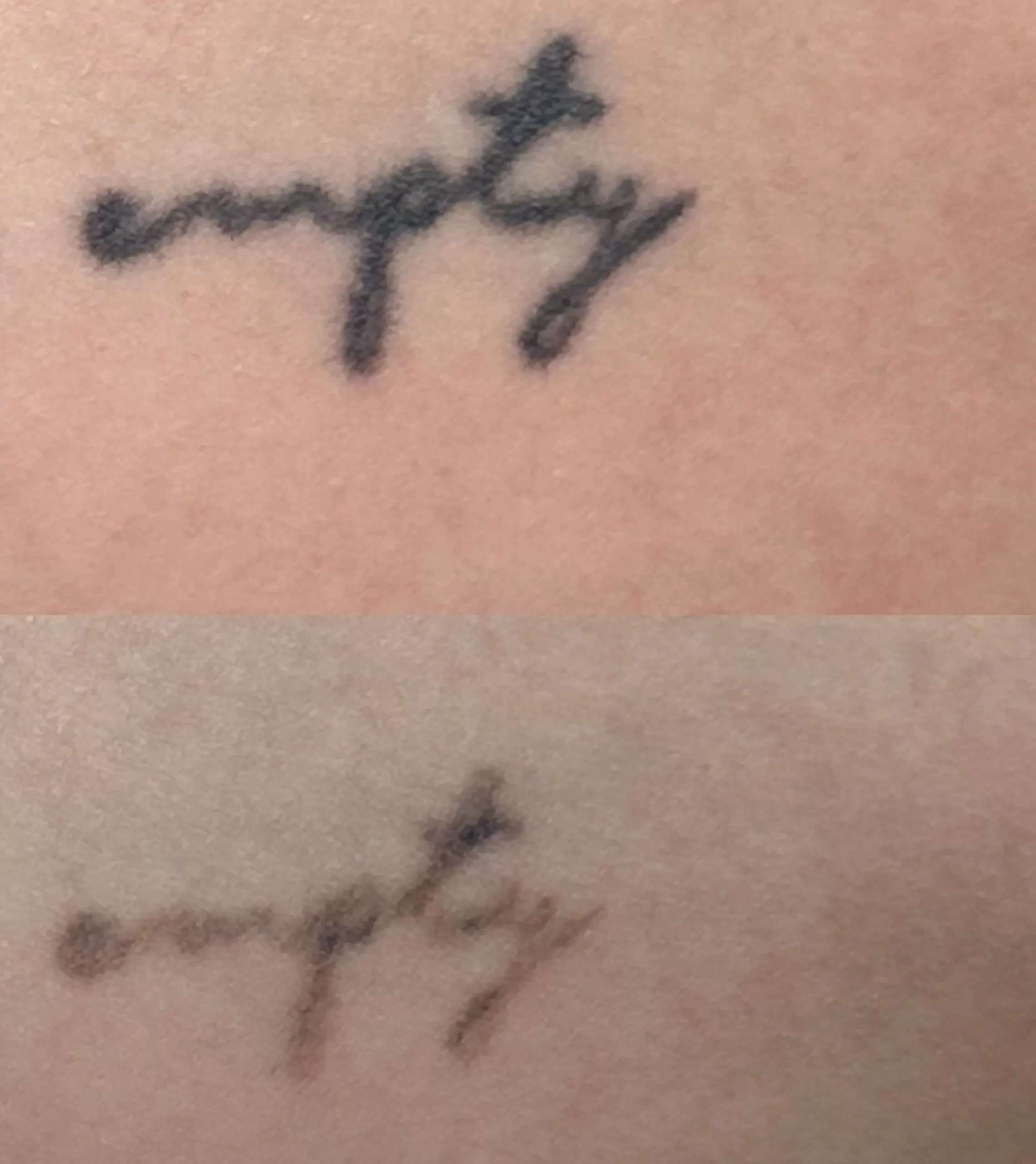
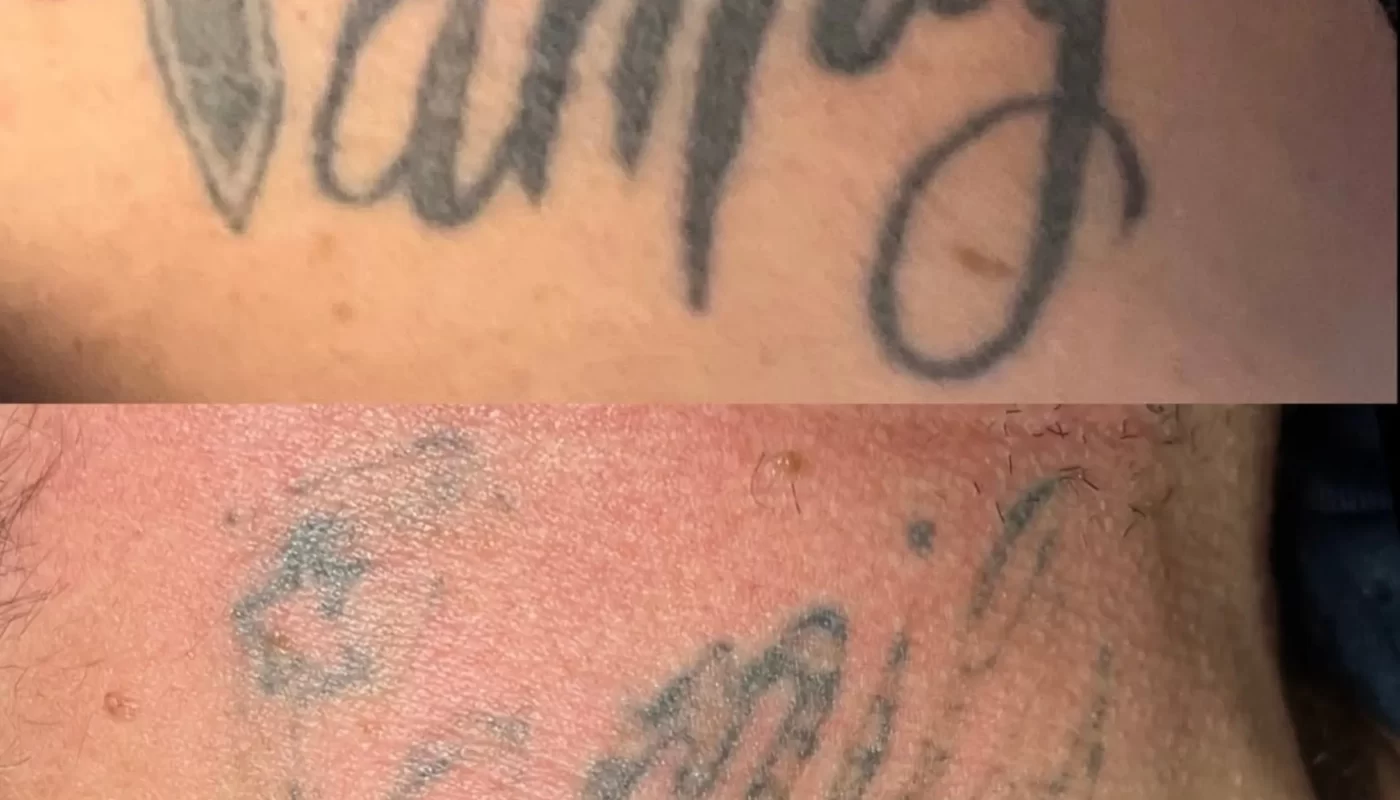
Before we talk tattoo removal, let’s look at what causes ink to fade in general. Tattoos are created by embedding pigment into the dermis using a tattoo gun — the second layer of skin. This layer is relatively stable, which is why tattoos are permanent. But like all things skin-related, nothing is completely immune to time, UV rays, damage, or the lymphatic body system.
Tattoos can fade over time due to:
- Sun exposure (UV rays break down ink molecules)
- Immune response (your body constantly works to remove foreign substances, including pigment)
- Skin cell turnover (especially with surface irritation like exfoliation or abrasion)
- Poor technique or low ink quality (which doesn’t stay put as long)
At Face Figurati, we often see cosmetic tattoos that have faded unevenly from too much sun or incorrect aftercare — particularly brow tattoos from early days of microblading or tattoo designs with light colours. If you’re dealing with pigment that turned grey or blue over time, Eyebrow Tattoo Removal may be necessary to fully clear the area before correction.
So if the goal is to encourage that breakdown in a controlled way, some natural methods can help.
Natural tattoo fading methods
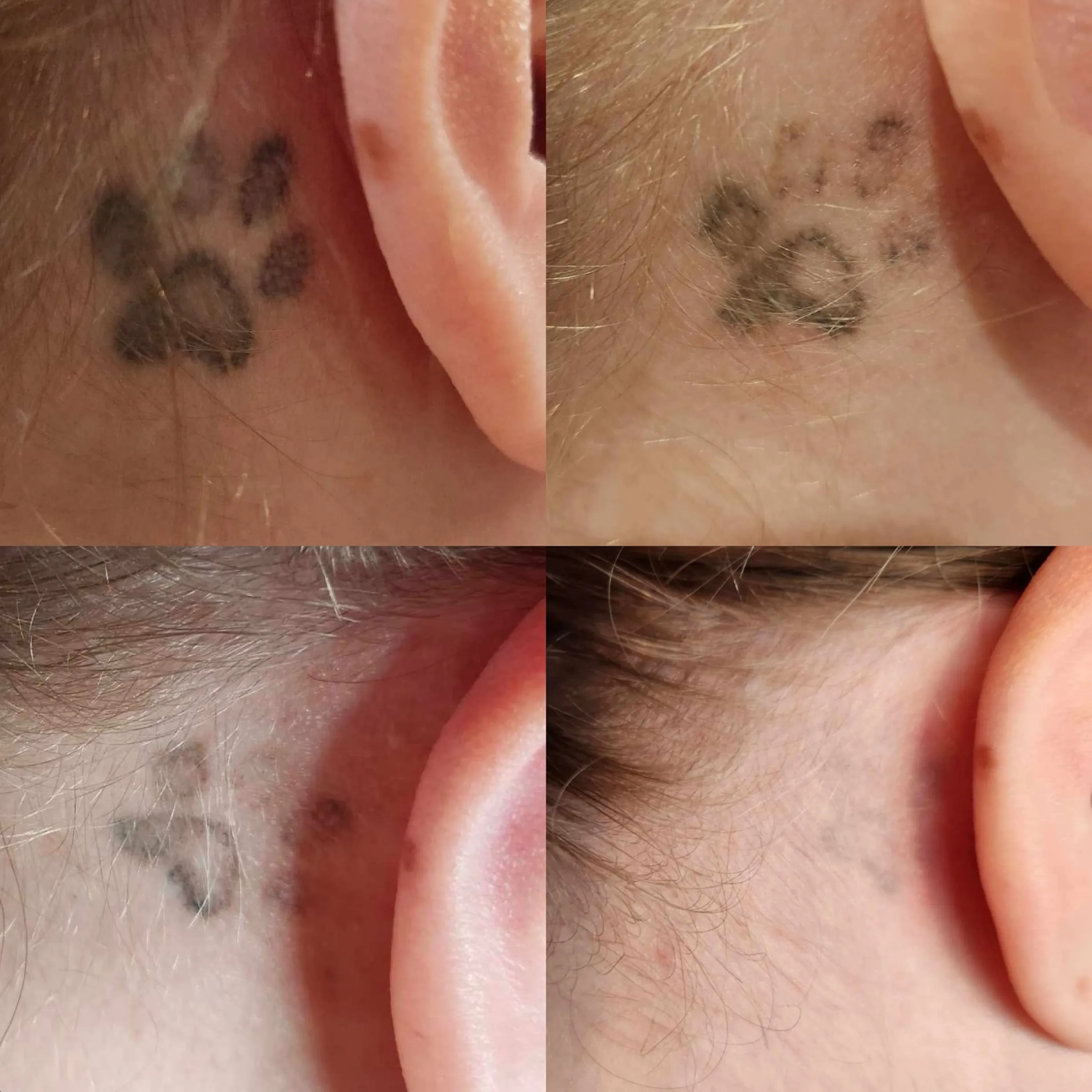
Not all home remedies for tattoo fading are safe or effective. Some are just plain risky (we’ll get to that). But others, when used consistently and cautiously, can help reduce saturation.
Here are a few options that have a real basis in skin science and have been mentioned in dermatologist-reviewed guides:
- Exfoliation and gentle peeling
Think of this as controlled skin cell turnover. Using exfoliating products (like AHA or BHA) or gentle scrubs can help slough off skin and slowly fade the appearance of a tattoo.
Chemical methods: Glycolic acid, lactic acid, or chemical peels
Physical exfoliants: Pumice stone, salt scrub, or sugar scrub
Natural alternatives: Papaya enzyme masks, Aloe Vera, or diluted Lemon Juice (used sparingly as a skin-lightening agent)
Avoid overdoing it — aggressive scrubbing can cause skin discolouration, irritation, or even scarring. Tattoo experts recommend sticking to safer products like Good Molecules Ultra-Hydrating Facial Oil or Vitamin C Booster Powder during the healing process. - Sunlight (yes, but cautiously)
UV rays break down pigment over time, which is why tattoos fade faster when exposed. So yes, strategic sun exposure can help fade ink. But it also increases your risk of:
Sunburn
Premature ageing
Skin cancer
If you’re choosing this route, limit exposure to short, unprotected intervals on cooler days. Then cover up or apply tattoo sunscreen immediately after. - Salt and Ice or Salabrasion (ancient but risky)
This old-school method involves rubbing salt into the skin (often with ice) to abrade it and draw out pigment. It can lighten tattoos — but at the cost of damaging your skin’s elasticity, increasing infection risk, and often leaving scarring.
As a tattoo artist who values skin integrity, I say skip it. You’re better off with chemical peels or saline solution methods supervised by a professional. - Tattoo-fading creams and lightening agents
These are hit-and-miss. Many tattoo removal creams contain acids or ingredients like trichloroacetic acid (TCA), hydroquinone, Hydrogen Peroxide, or kojic acid. While some might lighten the surface appearance, they often don’t reach the dermis (where the tattoo ink lives).
Some products sold online contain unregulated or banned skin-lightening agents in Australia. Always patch test and research thoroughly.
Better yet, speak to a skin specialist or visit trusted tattoo clinics before using chemical removal creams. - Healthy immune support
Your body’s lymphatic system is constantly working to break down pigment. Supporting it with:
Hydration
Antioxidant-rich foods
Exercise
Dry brushing
…may modestly encourage tattoo fading over months or years. Not a miracle, but useful for natural tattoo removal preparation or post-laser treatments.
Let’s get brutally honest: some so-called natural removal hacks are not only useless but dangerous. Please avoid:
- Baking soda + Lemon Juice combos (can chemically burn skin)
- Pumice stone or sandpaper on skin (high scarring risk)
- Undiluted acids like TCA or salicylic acid without supervision
- Essential oils directly on skin (skin sensitisation and chemical burns)
- Household bleach or whitening toothpaste (just… no)
These methods won’t reach the tattoo ink and can seriously disrupt the healing process. As tattoo removal professionals, we often have to treat side effects caused by these experiments gone wrong.
What to realistically expect
Even without any intervention, most tattoos fade naturally over 10–20 years due to sun exposure, skin turnover, and your lymphatic system. But if you’re trying to fade it faster, here’s a breakdown:
| Fading Method | Results Timeline | Risk Level | Best For |
|---|---|---|---|
| Daily exfoliation | 3–6 months | Low | Lightening older, shallow tattoos |
| Sunlight exposure | 6–12 months | Medium-High | Small areas, cooler climates |
| Tattoo removal creams | 4–8 months (if at all) | Medium | Uneven fading or pre-removal prep |
| Healthy immune support | Ongoing | Very Low | Long-term pigment fading |
| Salabrasion | 1–3 sessions | High | Not recommended (scarring risk) |
If you decide to move beyond natural fading and opt for a clinic procedure, it’s worth noting that tattoo removal cost varies depending on size, location, and number of sessions required.
When natural fading isn’t enough
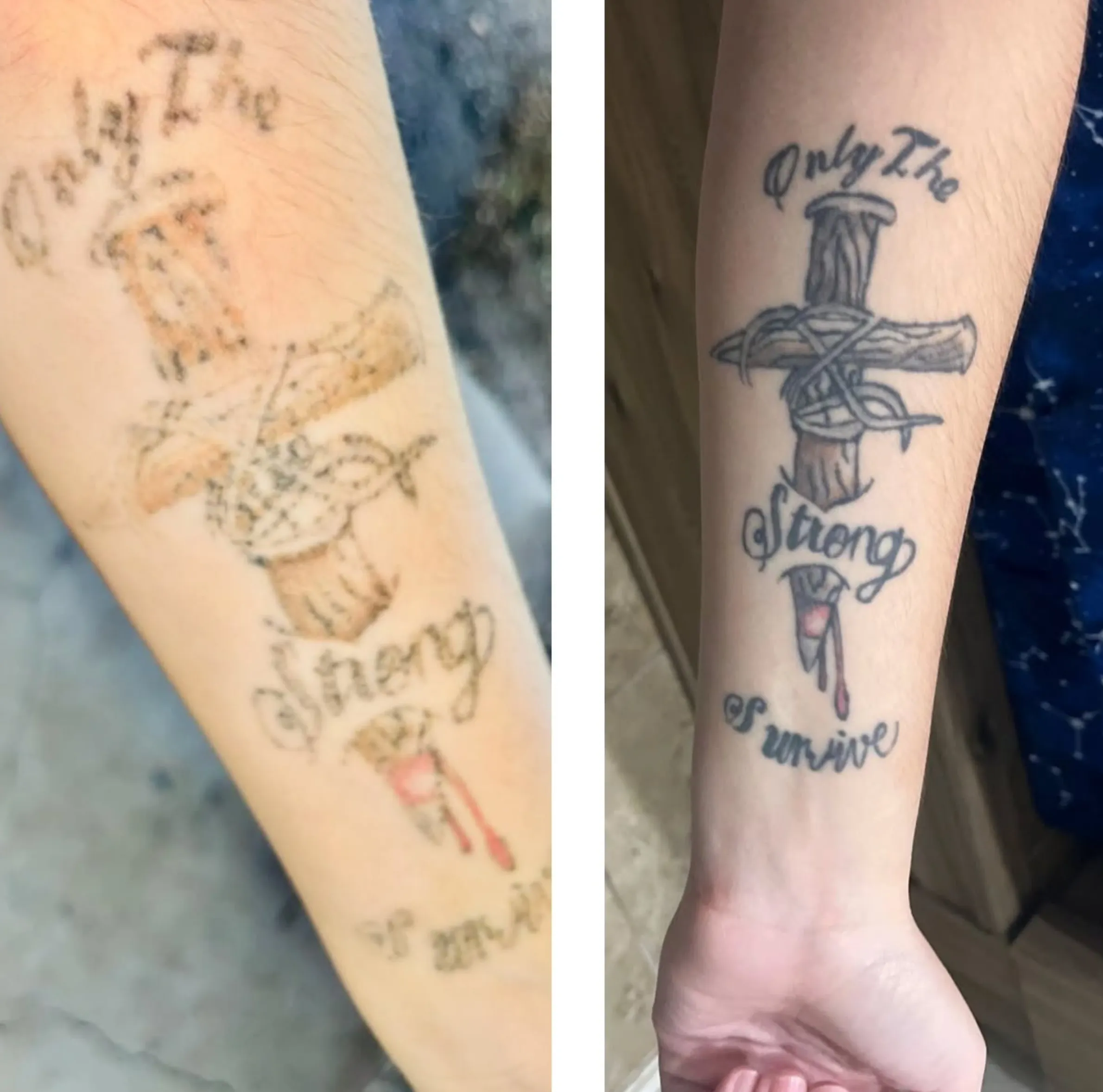
If you’ve tried a few natural methods and your tattoo’s still sticking around, don’t worry. Professional treatments like laser tattoo removal, chemical peels, or saline solution can help.
At Face Figurati, we offer saline tattoo removal — a gentler method than laser for cosmetic tattoos. It works by drawing out pigment using a salt-based ink eraser solution and is perfect for delicate zones like eyeliner, brows, and lips.
For clients with dense pigment in their brows, we sometimes recommend Laser eyebrow tattoo removal to fully clear the area before attempting a new cosmetic tattoo.
Laser technology works better for dense, colour tattoos on body areas. Surgical excision is rare but possible for small, deeply pigmented tattoos.
Fading cosmetic tattoos like lip blush or brows
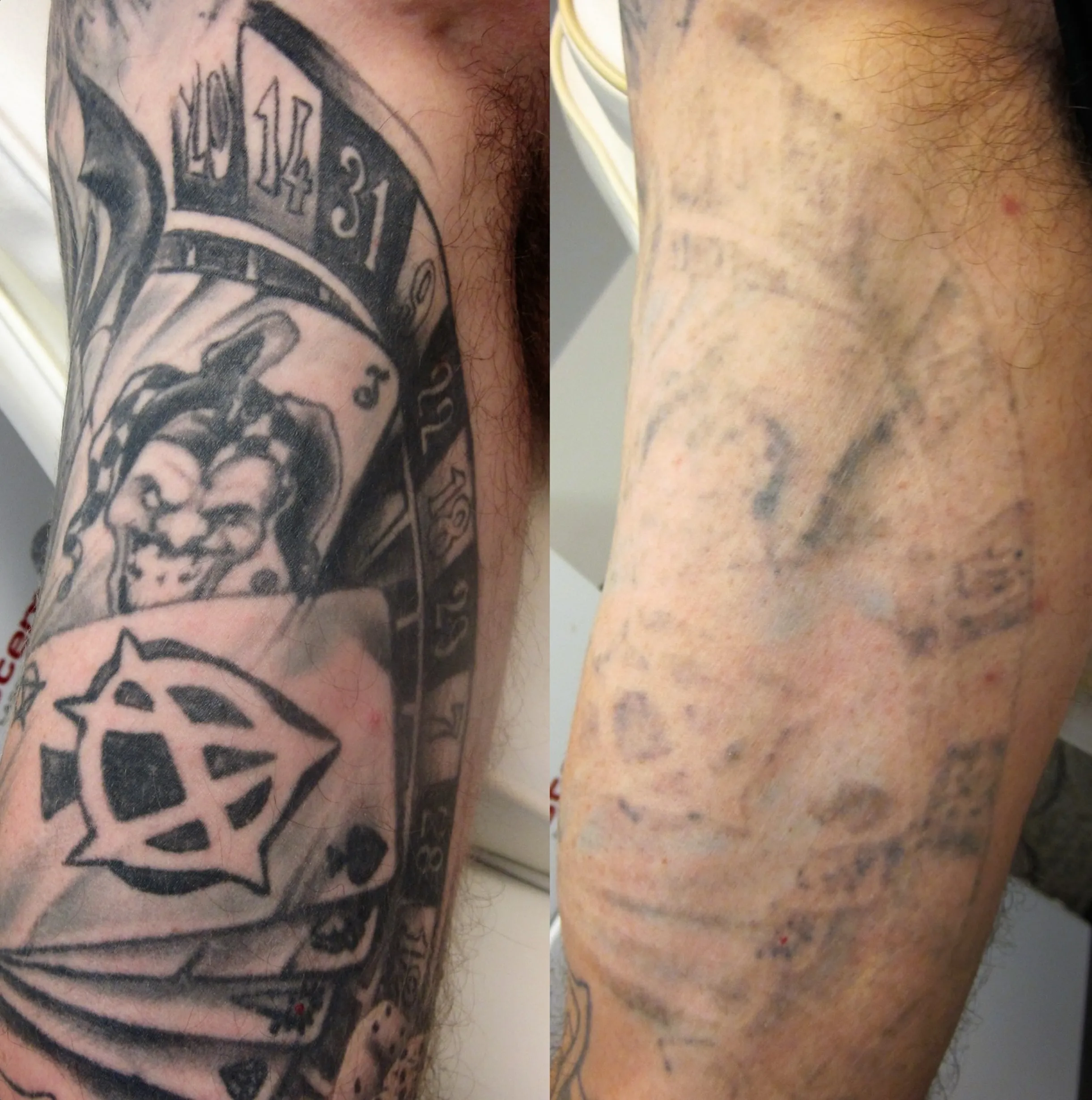
Cosmetic tattoos tend to fade quicker due to lighter pigment and more superficial application. But factors like:
- Pigment ingredients
- Oily vs. dry skin
- UV rays or tanning beds
- Adherence to aftercare (e.g., using antibacterial soap, avoiding exfoliants)
…can all impact results. If the tattoo is still quite saturated, we may suggest Laser tattoo removal for more consistent results before going in with new pigment.
When fading lip blush or brows, we often start with gentle natural methods or saline before considering laser treatments.
Final thoughts
So, can you naturally fade a tattoo? Yes — but it’s slow and subtle. Consistent exfoliation, sun exposure, and a strong immune system can help over time. But for quicker, more reliable results, consult a professional tattoo removal clinic.
At Face Figurati Cosmetic Tattoo Studio in Melbourne, we customise every fading and removal plan based on skin type, tattoo history, and personal goals. Whether you’re exploring natural methods or considering Laser Tattoo Removal in Melbourne, we’re here to help.
Still weighing up your options? Book in for a consultation with one of our tattoo experts. You’ll walk out with clarity, not confusion.
FAQs
Can tattoos fade completely without removal?
Very rarely. Most tattoos will lighten but not fully vanish without chemical or laser removal.
Is Lemon Juice safe for fading tattoos?
Only when diluted. Undiluted Lemon Juice can damage skin.
How long does it take to fade a small tattoo naturally?
Between 6 months and a few years, depending on ink type, colour tattoos, and your skincare routine.
Will exfoliating daily damage my skin?
Yes, if done aggressively. Stick to 2–3 times a week with safe exfoliants.
Is saline better than laser for fading cosmetic tattoos?
Often yes — especially near sensitive areas. But laser technology is still best for larger, darker designs.